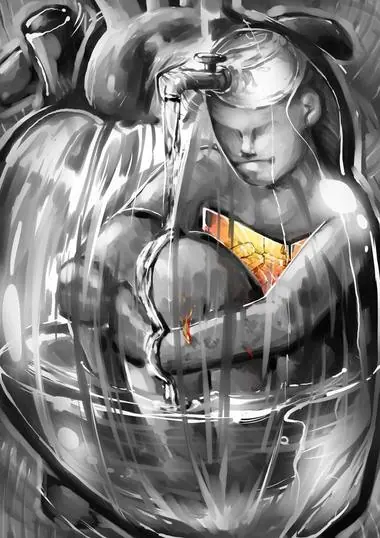
จดหมายเหตุไร้สาระ คือผลงานศิลปะเชิงแนวคิดในวิทยานิพนธ์ปริญญาโทของพฤหัส ว่าด้วยลายมือของแม่ผู้ล่วงลับ งานคัดแยกตัวอักษรทีละตัวออกจากเอกสารที่แม่เขียนไว้ในชีวิตจริง ทิ้งเนื้อความไว้เบื้องหลัง แล้วแปลงร่องรอยของมือเหล่านั้นเป็นข้อมูลดิจิทัลที่ผู้อื่นนำไปใช้ต่อได้
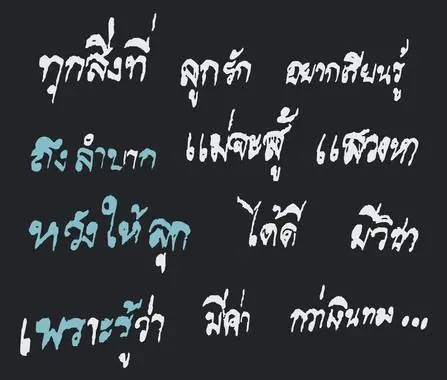
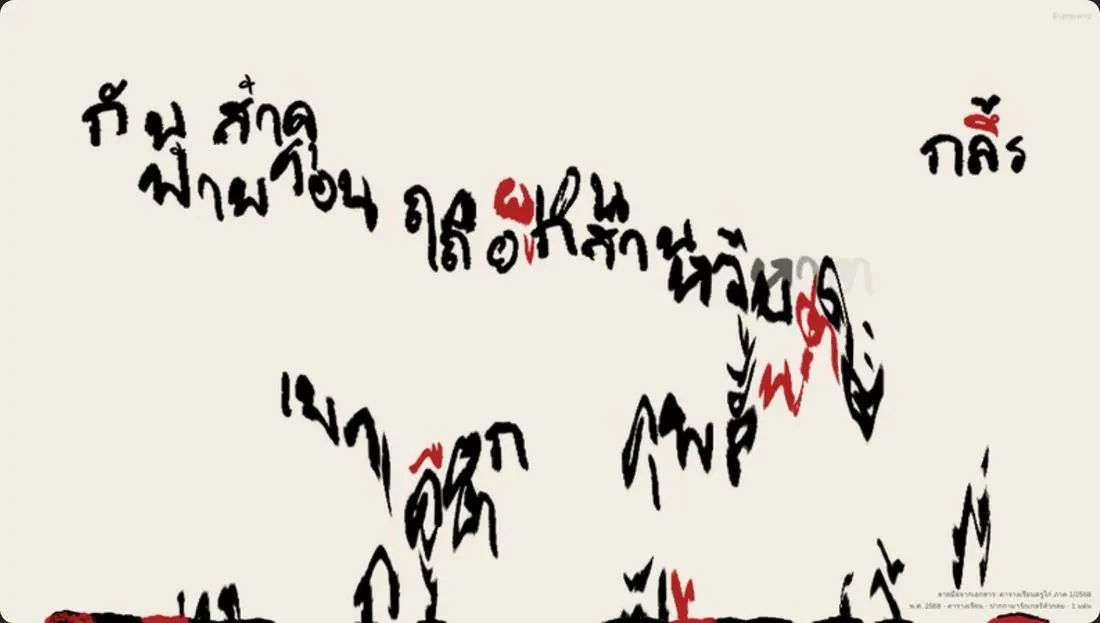
ในห้องแสดงงาน ผู้ชมพิมพ์ถ้อยคำใดก็ได้ ถ้อยคำนั้นปรากฏขึ้นเป็นลายมือของแม่ มีชีวิตอยู่ครู่หนึ่ง แล้วหลอมละลายเป็นธุลี ก่อนที่ธุลีจริงจะร่วงลงสู่ตู้น้ำใต้จอ
ชื่อผลงานเล่นกับคำว่า "สาระ" ซึ่งหมายถึงทั้งเนื้อความและแก่นสาร นี่คือจดหมายเหตุที่ตั้งใจตัดเนื้อความทิ้ง เพื่อถามว่าสิ่งที่เหลืออยู่ยังเป็นแม่อยู่หรือไม่
Archive Without Substance is the conceptual artwork at the centre of Maneekarn's MFA thesis, made from the handwriting of his late mother. Letter by letter, it lifts her writing out of the documents she wrote in daily life, leaves their content behind, and turns the traces of her hand into digital data that others can use.
In the gallery, visitors type whatever they like. Their words appear in her handwriting, live for a moment, then melt into dust, while real dust falls into a tank of water beneath the screen.
The Thai title plays on sara, which means both "content" and "substance": an archive that deliberately discards what was written in order to ask whether what remains is still her.
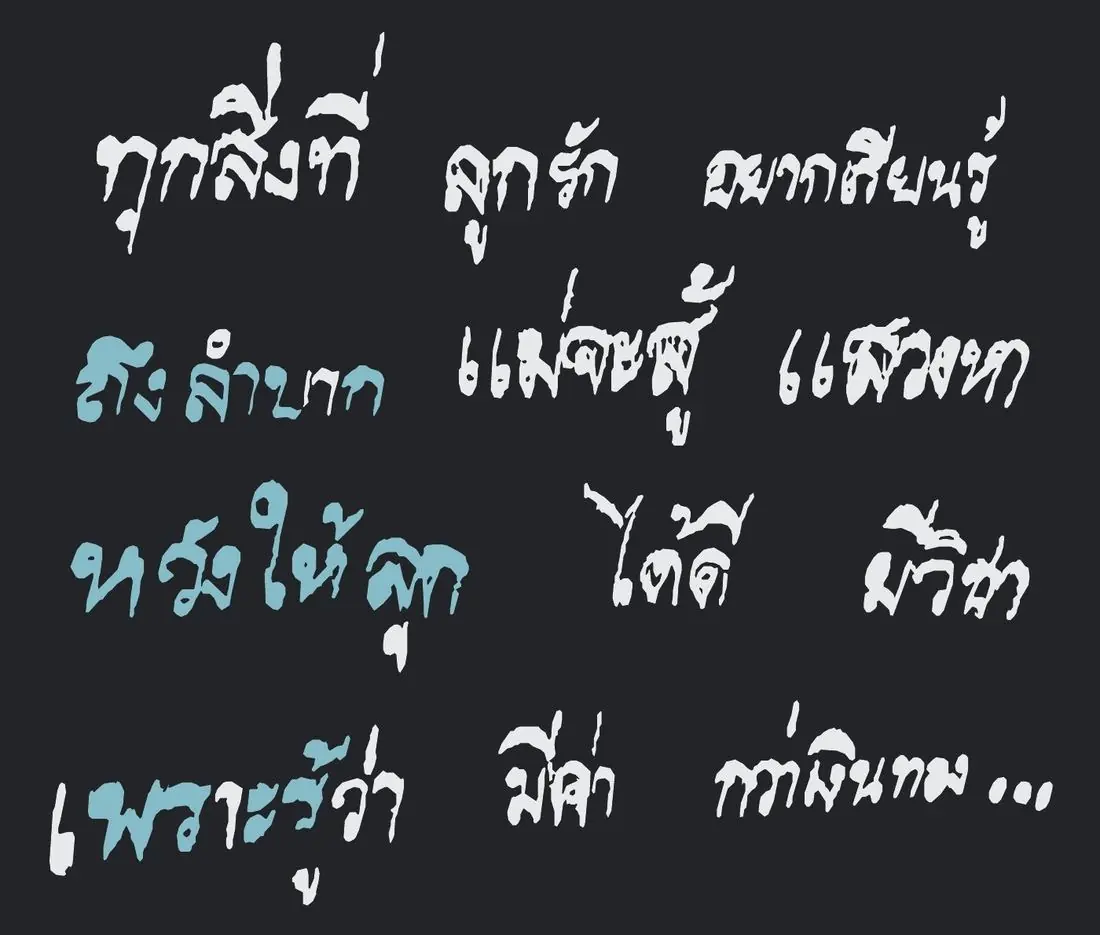
ลองพิมพ์ด้วยลายมือของแม่Type in my mother's handwriting
นี่คือซอฟต์แวร์ต้นแบบรุ่นที่ 29 ตัวเดียวกับที่ใช้ในห้องแสดงงาน คลิกในกรอบ พิมพ์ข้อความภาษาไทย แล้วกด Enter ถ้อยคำจะปรากฏเป็นลายมือของแม่ แล้วค่อย ๆ ละลายลงเป็นกองธุลี ตัวสีแดงคือตัวที่แม่ไม่เคยเขียนในเอกสารฉบับนั้น โปรแกรมไม่เก็บข้อความที่พิมพ์ กองหมึกจำไว้เฉพาะในเบราว์เซอร์ของผู้ชมเอง และล้างได้ด้วยการกดปุ่ม ล้างกระดาน ค้างไว้ 2 วินาทีThis is prototype 29, the same software used in the gallery. Click inside the frame, type a phrase in Thai and press Enter: it appears in my mother's handwriting, then slowly melts into the bank of dust. Red letters are ones she never wrote in that document. Nothing you type is kept; the ink bank is remembered only in your own browser, and you can clear it by holding the clear button for two seconds.
จุดตั้งต้นPoint of departure
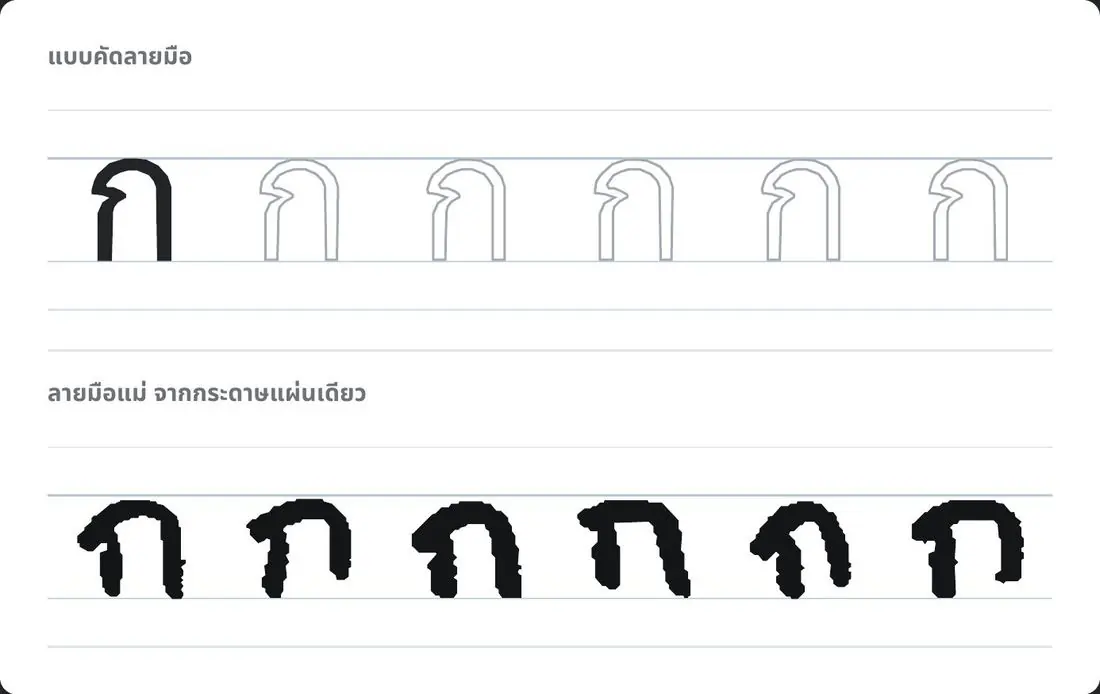
ทุกคนหัดเขียนจากแบบคัดเดียวกัน แต่ไม่มีมือไหนเขียนออกมาเหมือนกัน แบบคัดให้รูปตัวอักษรชุดเดียวกันกับทุกคน ส่วนน้ำหนักเส้น มุมเอียง จังหวะมือ และวิธีเชื่อมตัว เป็นของร่างกายแต่ละคน และลอกเลียนไม่ได้ ลายมือจึงเป็นจุดที่ระบบซึ่งถูกกำหนดจากภายนอกบรรจบกับร่างกายของปัจเจกจนแยกไม่ออก เป็นเสมือนลายนิ้วมือทางวัฒนธรรมที่บันทึกยุคสมัย การศึกษา และการตัดสินใจเฉพาะตัวของผู้เขียนไว้ในทุกเส้น
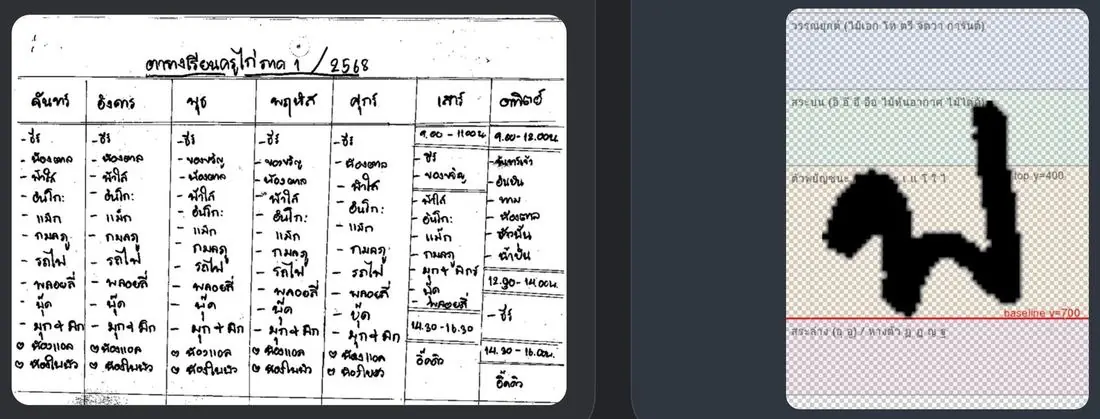
แม่ของพฤหัสจากไปแล้ว มือของแม่หยุดเขียน สิ่งที่เหลือคือรอยบนกระดาษ ทั้งจดหมาย บันทึก บทกวี และตารางเรียน งานนี้เริ่มจากการเก็บรอยนั้นไว้ ไม่ใช่ในฐานะเอกสาร แต่ในฐานะตัวแม่
Everyone learns to write from the same copybook, yet no two hands write alike. The copybook gives everyone the same letterforms; the weight of the line, the slant, the rhythm of the hand and the way letters join belong to each body and cannot be copied. Handwriting is where an externally imposed system meets an individual body until the two can no longer be separated: a cultural fingerprint recording, in every stroke, the period, the schooling and the particular decisions of the person who wrote.
The artist's mother has died. Her hand has stopped writing. What remains are marks on paper: letters, notes, poems, a class timetable. The work begins by keeping those marks, not as documents, but as her.
ช่องว่างThe gap
ลายมือถูกยอมรับว่าเป็นตัวตนมากว่าร้อยปี แต่ยังไม่มีวิธีที่เป็นระบบสำหรับเก็บมันไว้ในฐานะตัวตน เราถ่ายภาพใบหน้าซ้ำเป็นพันภาพ ไม่มีภาพไหนเหมือนกันเลย แต่ยังเชื่อว่าทุกภาพคือคนคนเดียว สังคมจึงสร้างทั้งวัฒนธรรมและอุตสาหกรรมขึ้นมารองรับ การพิสูจน์ลายมือใช้เป็นพยานในชั้นศาลมาตั้งแต่ปลายคริสต์ศตวรรษที่ 19 ทั้งพินัยกรรม สัญญา และเอกสารสิทธิ ไม่ต่างจากลายนิ้วมือ ส่วนงานจดหมายเหตุและการถอดความ (TEI, IIIF) เก็บลายมือไว้เพื่ออ่านเนื้อความ ตัวอักษรถูกเทียบเข้าหารูปมาตรฐาน ร่องรอยของผู้เขียนจึงหายไประหว่างทาง
คำถามของงานจึงตรงไปตรงมา: ถ้าตัดเนื้อความออกทั้งหมด เหลือไว้เพียงรอยมือ สิ่งที่เหลือยังเป็นแม่อยู่หรือไม่
Handwriting has been accepted as a mark of identity for more than a century, yet there is no systematic way of keeping it as identity. We photograph a face thousands of times, no two images alike, and still believe each one shows the same person; a whole culture and industry has grown up around that belief. Handwriting examination has served as evidence in court since the late nineteenth century, for wills, contracts and title deeds, much as fingerprints do. Archival and transcription practice (TEI, IIIF) keeps handwriting in order to read it: letters are normalised towards standard forms, and the trace of the writer is lost on the way.
The work's question is therefore simple. If all the content is removed and only the trace of the hand is left, is what remains still her?
กรอบแนวคิด: การตัดบริบทออกคือการตัดสินใจเชิงศิลปะFramework: removing the context is an artistic decision
การเก็บเอกสารทั้งชิ้นพร้อมเนื้อความ เปรียบได้กับการถ่ายภาพทั้งห้องที่บุคคลนั้นนั่งอยู่ ส่วนการคัดแยกตัวอักษรออกจากเนื้อความ เหลือเพียงร่องรอยของมือ เปรียบได้กับภาพเหมือนที่เห็นเพียงใบหน้า การเก็บแบบแรกมีคุณค่า เพียงแต่มีเป้าหมายคนละอย่าง งานนี้เลือกแบบที่สองอย่างตั้งใจ
เมื่อเป็นเช่นนั้น การเลือกจึงกลายเป็นตัวงาน: จะคัดตัวไหน จะจัดการกับตัวที่ขาดอย่างไร และจะรักษาความไม่สมบูรณ์ไว้แค่ไหน งานตั้งอยู่บนสามแนวคิด คือสัญวิทยาสังคมของลายมือ (ลายมือเป็นทั้งระบบและปัจเจก) การดิจิไทซ์ในฐานะศิลปะเชิงแนวคิด และการวิจัยผ่านการปฏิบัติ ที่ทดสอบด้วยการลงมือทำและบันทึกทุกจุดตัดสินใจ
Keeping a whole document with its content is like photographing the entire room in which a person sits. Extracting the letters and leaving only the trace of the hand is like a portrait that shows only the face. The first has its value; it simply serves a different end. This work deliberately chooses the second.
The choices then become the work itself: which letters to extract, how to deal with the ones that are missing, how much imperfection to keep. The project rests on three ideas: the social semiotics of handwriting, in which writing is both system and individual; digitisation as conceptual art; and practice-based research, tested by making and by logging every decision.
ตำแหน่งของงานWhere the work stands
มีงานที่ทำกับลายมือมาก่อน Shake ของ Morten Halvorsen เป็นฟอนต์จากลายมือของมารดาผู้ป่วยพาร์กินสัน เก็บจากผู้ที่ยังมีชีวิตเพื่อสร้างความตระหนักเรื่องโรค Beowolf ของ LettError (1990) สุ่มรูปทรงตัวอักษรด้วยอัลกอริทึมทุกครั้งที่พิมพ์ ความสุ่มจึงมาจากโค้ด ไม่ได้มาจากมือของใคร ขณะที่ Tracey Emin, On Kawara และ Christian Boltanski ทำงานกับลายมือ วันที่ และคลังความทรงจำ โดยยังผูกอยู่กับเนื้อความหรือวัตถุเดิม
งานนี้สุ่มจากร่องรอยการเขียนจริงหลายแบบของคนคนเดียว ตัดออกจากเนื้อความ และเริ่มจากผู้ที่ไม่อยู่แล้ว เท่าที่สำรวจมา ยังไม่พบงานที่รวมทั้งสามอย่างนี้ไว้ด้วยกัน
Others have worked with handwriting before. Morten Halvorsen's Shake is a typeface made from the handwriting of a mother living with Parkinson's disease, collected from a living person to raise awareness of the illness. LettError's Beowolf (1990) randomises its letterforms with an algorithm each time it prints, so that its variation comes from code rather than from anyone's hand. Tracey Emin, On Kawara and Christian Boltanski work with handwriting, dates and archives of memory while remaining tied to the original text or object.
This work draws its variation from the many real traces of a single person's writing, detaches them from their content, and begins with someone who is no longer alive. As far as the research has found, no existing work combines all three.
คำถามและวัตถุประสงค์Question and aims
คำถามวิจัยหลัก: ลายมือซึ่งไม่เคยเหมือนเดิมทุกครั้งที่เขียน จะยังทำหน้าที่เป็นร่องรอยยืนยันอัตลักษณ์ของผู้เขียนได้หรือไม่ และการคัดแยกตัวอักษรออกจากบริบทเพื่อแปลงเป็นข้อมูลดิจิทัลที่ผู้อื่นนำไปใช้ต่อได้ จะเป็นกระบวนการเชิงสร้างสรรค์ในการกรองอัตลักษณ์นั้นได้อย่างไร
วัตถุประสงค์: หนึ่ง สร้างผลงานศิลปะเชิงแนวคิดที่นำเสนอกระบวนการคัดแยกลายมือออกจากเนื้อความ โดยเริ่มจากลายมือของมารดา สอง ทดสอบและบันทึกกระบวนการอย่างเป็นระบบ ให้เห็นแนวทางเบื้องต้นที่ปรับใช้กับกรณีอื่นได้ และพิจารณาว่าร่องรอยลายมือหลังผ่านการแปลงยังยืนยันอัตลักษณ์ของผู้เขียนได้ในลักษณะใด
Research question: can handwriting, which is never the same twice, still serve as a trace that confirms the identity of the person who wrote it? And how can extracting letters from their context, to turn them into digital data others can use, become a creative process for distilling that identity?
Aims: first, to make a conceptual artwork that presents the process of separating handwriting from content, beginning with the artist's mother's hand; second, to test and record that process systematically, as a preliminary method adaptable to other cases, and to consider in what ways the traces still confirm the writer's identity once transformed.
กระบวนการสี่ระยะA four-stage process
1. สแกนเอกสาร ทีละฉบับ พร้อมบันทึกที่มา: ชื่อเอกสาร ปี ประเภท และปากกา 2. ตัดทีละตัว เป็นภาพพื้นโปร่ง เก็บทุกแบบที่พบ ทุกไฟล์วางบนกรอบขนาดเดียวกันและเส้นฐานเดียวกัน 3. ตรวจตัวที่ขาด เทียบกับอักษรไทยทั้งชุด ตัวที่แม่ไม่เคยเขียนในเอกสารฉบับนั้นจะถูกประกอบขึ้นจากเส้นในเอกสารฉบับเดียวกัน และแสดงเป็นสีแดงเสมอ 4. ซอฟต์แวร์และสเตชัน ทดลองใช้จริง แล้วปรับแก้มาแล้ว 29 รุ่น
ทุกจุดตัดสินใจถูกบันทึกเป็น research log ให้ผู้อื่นตรวจสอบย้อนกลับได้ วิธีทำงานใช้แรงมากกว่าทุน: กล้องโทรศัพท์ ซอฟต์แวร์แบบเปิด และทุนส่วนตัว จึงทำซ้ำได้โดยไม่ต้องใช้งบประมาณสูง พฤหัสตัดตัวอักษรทุกชุดด้วยมือของตัวเอง
1. Scanning each document one at a time, with its provenance recorded: title, year, type and pen. 2. Cutting each letter out as a transparent image, keeping every variant found, every file on the same frame and baseline. 3. Checking for gaps against the full Thai alphabet: any letter the mother never wrote in that document is assembled from strokes in the same document and always shown in red. 4. Software and station, used and revised through 29 versions so far.
Every decision is kept in a research log so that others can trace it. The method relies on labour rather than capital: a phone camera, open-source software and personal funds, so it can be repeated without a large budget. The artist cuts every set by hand himself.
หนึ่งชุด = เอกสารหนึ่งฉบับOne set = one document
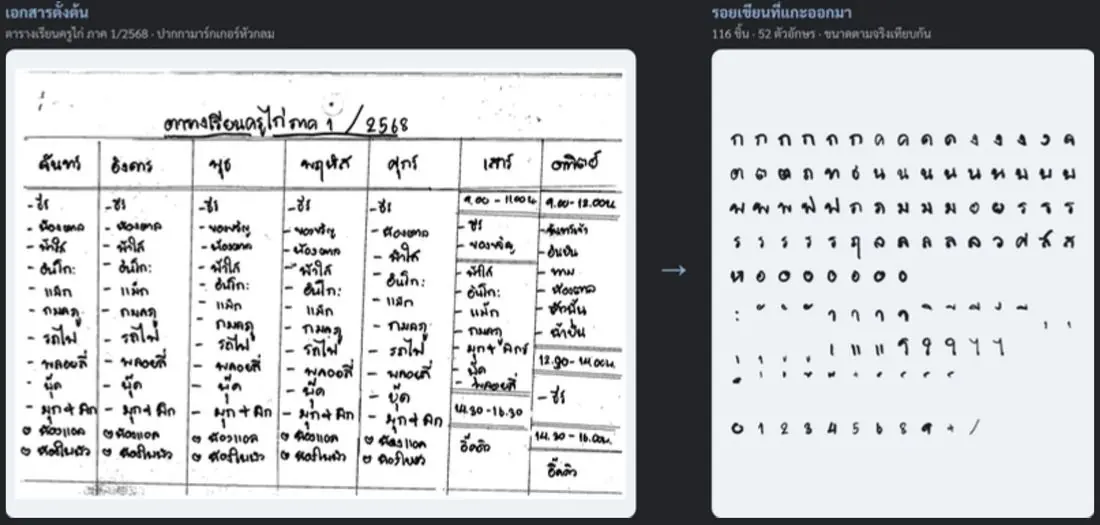
หน่วยของคลังคือเอกสาร ไม่ใช่ตัวอักษร เพราะลายมือแต่ละตัวผูกอยู่กับวัน เวลา และปากกาที่เขียนมัน ในหนึ่งชุดมีลายมือจริงที่ตัดทีละตัว (ตัวเดียวกันเก็บทุกแบบที่พบ เช่น ก_1 ถึง ก_6, ร_1 ถึง ร_8) ตัวแดงที่ประกอบขึ้นจากเส้นในเอกสารฉบับนั้น และไฟล์บันทึกที่มา
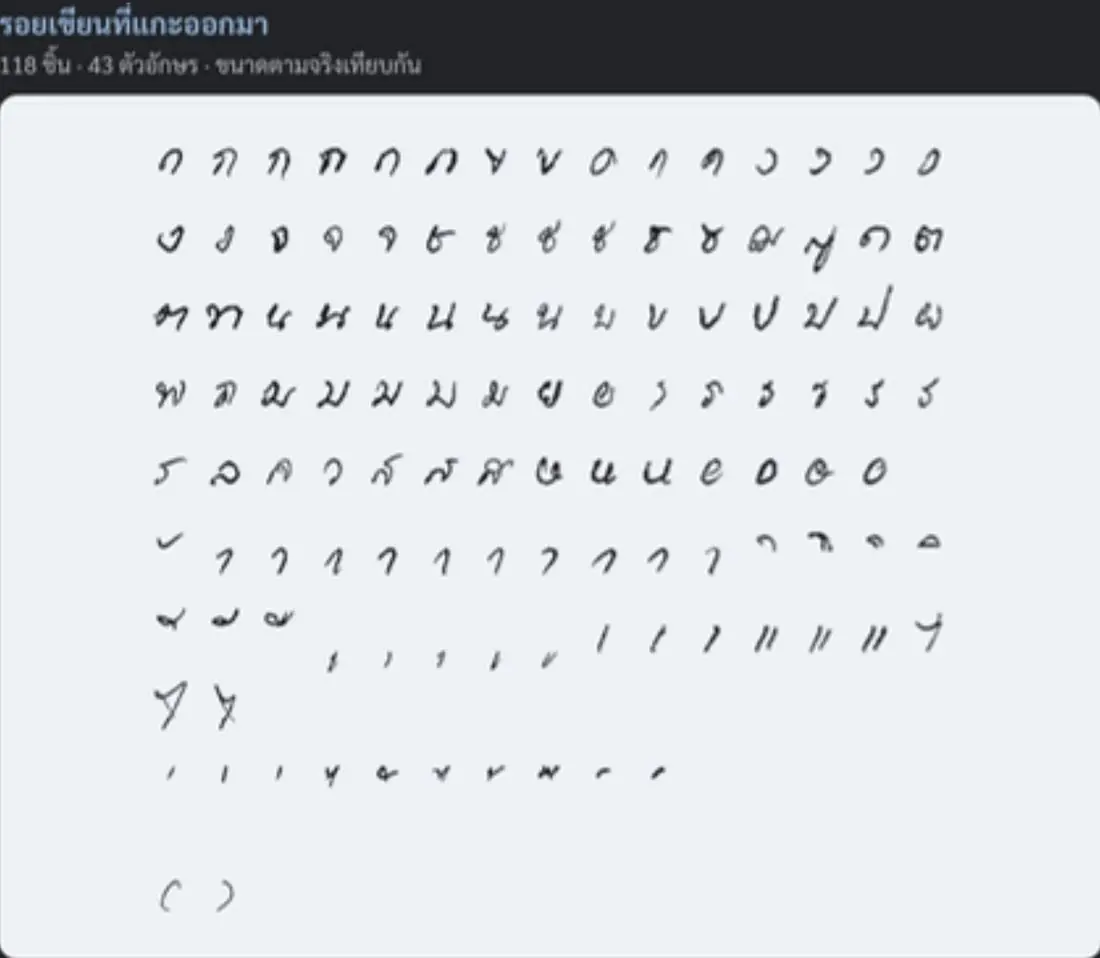
ชุดที่ 1 มาจากตารางเรียนแผ่นเดียว ตัดได้ 116 ชิ้น ครอบคลุม 52 ตัวอักษร ในพยัญชนะ 44 ตัว มีลายมือจริงครึ่งหนึ่งพอดี อีกครึ่งไม่เคยปรากฏในเอกสาร ชุดที่ 2 มาจากหน้าจดเบอร์โทรศัพท์ที่เขียนด้วยปากกาลูกลื่น ได้ 118 ชิ้น 43 ตัวอักษร เอกสารชุดต่อไปคือจดหมาย บันทึก และบทกวีของแม่
เมื่อผู้ชมพิมพ์ โปรแกรมตรวจทุกชุดว่าแต่ละตัวในประโยคมีลายมือจริงหรือไม่ ตัวที่ไม่มีเลยได้ 1,000 คะแนน ตัวที่ต้องใช้ตัวแดงได้ 1 คะแนน ตัวที่มีจริงได้ 0 ชุดที่คะแนนน้อยที่สุดชนะ ทั้งประโยคจึงมาจากเอกสารฉบับเดียว ไม่ปนกัน และมุมจอบอกชื่อเอกสารต้นทางกับจำนวนตัวแดงในประโยคนั้นทุกครั้ง
The unit of the archive is the document, not the letter, because each piece of handwriting is bound to the day, the moment and the pen that made it. A set contains the real letters cut one by one (every variant kept, from ก_1 to ก_6, ร_1 to ร_8), the red letters assembled from strokes in that document, and a provenance file.
Set 1 comes from a single class timetable: 116 traces covering 52 characters. Of the 44 consonants, exactly half exist in her hand; the other half never appear in the document. Set 2 comes from pages of a phone-number list written in ballpoint: 118 traces, 43 characters. Letters, notes and poems will follow.
When a visitor types, the program checks every set for each letter in the sentence: a letter absent altogether scores 1,000, one that needs a red letter scores 1, a real one scores 0. The lowest score wins, so a whole sentence always comes from a single document, never a mixture, and a corner of the screen names the source document and counts the red letters every time.
การสุ่มจากมือจริงVariation drawn from the real hand
ไม่มีคำไหนออกมาหน้าตาเหมือนเดิมสองครั้ง และความสุ่มทุกชั้นมาจากสิ่งที่มือแม่ทำจริง ไม่ได้มาจากสูตรคณิตศาสตร์ แบบของตัว: ตัวที่แม่เขียนหลายครั้งถูกสุ่มหยิบทีละแบบ ร มี 8 แบบ อ 7 แบบ ก 6 แบบ ระยะห่าง: สุ่มจากระยะที่วัดได้จากเอกสารจริง บางคู่ชิด บางคู่ห่าง บนบรรทัด: ขยับขึ้นลงเล็กน้อย เอียงไม่เกิน 2.5 องศา ขนาด 95–105% ตอนละลาย: แต่ละแถบไหลเร็วช้าต่างกันแบบไม่วนซ้ำ จึงไม่เกิดลายซ้ำ ต่างจาก Beowolf ที่สุ่มรูปทรงด้วยอัลกอริทึม
No word ever appears the same way twice, and every layer of variation comes from what the mother's hand actually did, not from a formula. Letter variants: letters she wrote several times are drawn at random from all their versions: eight of ร, seven of อ, six of ก. Spacing: sampled from distances measured on the real documents, some pairs tight, some loose. On the line: small shifts up and down, a tilt of no more than 2.5°, size between 95 and 105%. Melting: each strip flows at its own non-repeating speed, so no pattern recurs. Unlike Beowolf, the randomness here is not generated by an algorithm but sampled from a hand.

ระยะห่าง: วัดจากมือแม่ ไม่ใช่การเรียงตัวแบบฟอนต์Spacing measured from her hand, not set like type
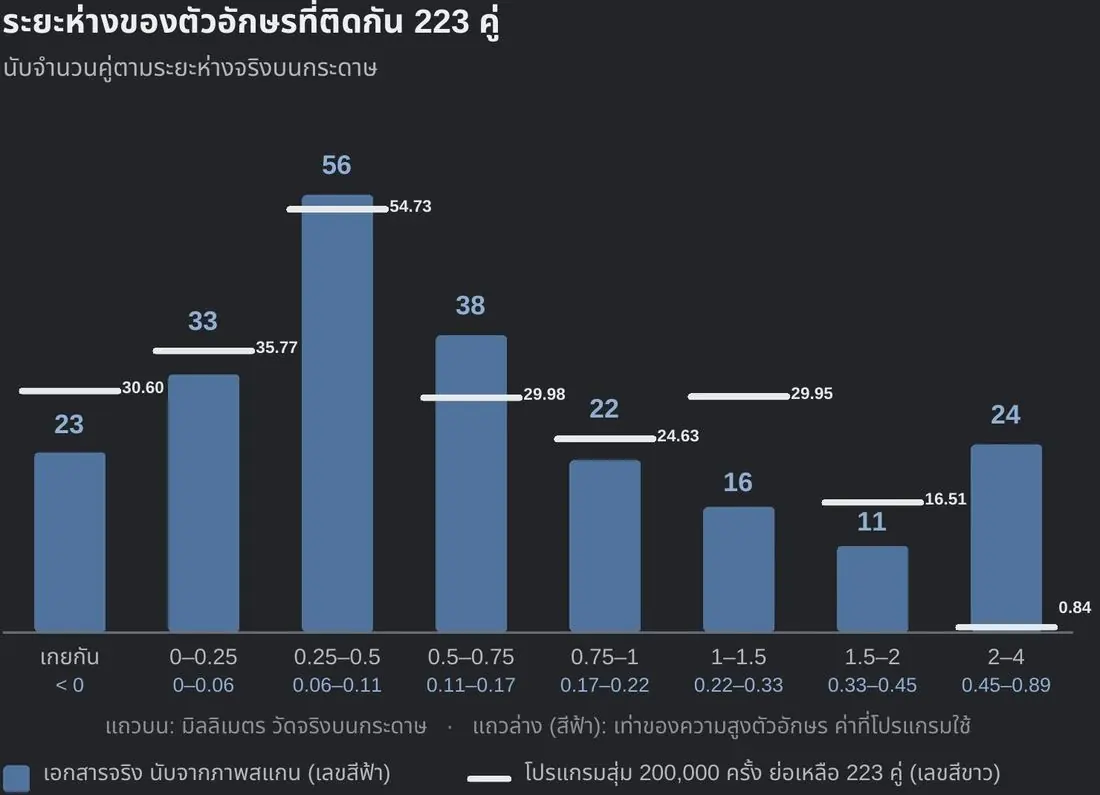
เอกสารถูกสแกนที่ 300 dpi (1 จุด = 0.085 มม.) แยกหมึกทีละตัว รวมสระและวรรณยุกต์เข้ากับตัวหลัก แล้ววัดช่องว่างระหว่างตัวที่ติดกันในคำเดียวกัน ได้ 223 คู่ ตัวอักษรของแม่สูงราว 4.5 มม. ระยะห่างกลางอยู่ที่ 0.42 มม. หรือ 0.09 เท่าของความสูงตัว ราว 1 ใน 10 คู่เขียนเกยกัน ต้นแบบรุ่นแรกเว้นห่างกว่ามือจริงเกือบสองเท่า จึงดูเหมือนตัวพิมพ์มากกว่าลายมือ
โปรแกรมเก็บทั้งการกระจาย ไม่ใช่แค่ค่าเฉลี่ย ทุกครั้งที่วางตัวถัดไป จะจับสลากระยะห่างจากตารางนี้ คู่ที่แม่เขียนชิดบ่อยก็ออกมาชิดบ่อย กฎการวางอื่นก็มาจากลายมือจริง เช่น วรรณยุกต์วางบนหางสระชิดเสาขวา (กี่) ไม่มีสระบนวรรณยุกต์ลดต่ำลงมา (ก่า) ป ฝ ฟ ฬ เลื่อนสระบนไปทางซ้ายไม่ชนหาง และ ญ ฐ ที่มีสระล่างให้ตัดเชิงออก เป้าหมายคือให้คำที่ผู้ชมพิมพ์ดูเหมือนแม่เขียนเอง ไม่ใช่ตัวอักษรที่เรียงห่างเท่า ๆ กัน
The documents are scanned at 300 dpi (one dot = 0.085 mm). Each blob of ink is separated, vowels and tone marks are merged with their consonant, and the gap between neighbouring letters within a word is measured: 223 pairs in all. The mother's letters stand about 4.5 mm high; the median gap is 0.42 mm, or 0.09 of the letter height, and about one pair in ten overlaps. The first prototype spaced letters almost twice as far apart, which made them read as type rather than handwriting.
The program keeps the whole distribution, not an average. Each time it places a letter it draws a gap from this table, so pairs she wrote close together come out close together. Other placement rules also come from her hand: a tone mark sits on the tail of the vowel against the right stem (กี่); without an upper vowel, the tone mark drops lower (ก่า); over ป ฝ ฟ ฬ the upper vowel shifts left to clear the tail; ญ and ฐ lose their foot above a lower vowel. The aim is for typed words to look as if she wrote them, not like letters set at even intervals.
ลายมือปากกาลูกลื่นมีระยะของมันเองBallpoint writing keeps its own spacing
ชุดที่ 2 เขียนด้วยปากกาลูกลื่น แม่มักเขียนต่อเนื่องโดยไม่ยกปากกา ระยะห่างจึงต่างจากชุดปากกามาร์กเกอร์ ช่องที่แคบกว่า 0.45 เท่าของความสูงตัวคือระยะระหว่างตัว ส่วน 0.45–0.9 เท่าคือระยะเว้นวรรค จากการถอดชื่อ 21 บรรทัดเป็นข้อความ พบว่าคู่ตัวอักษรที่อยู่ติดกัน 57 จาก 106 คู่ลากต่อกัน (54%) โปรแกรมจึงสุ่มให้ตัวที่อยู่ติดกันลากต่อกันด้วยโอกาสเท่านั้น
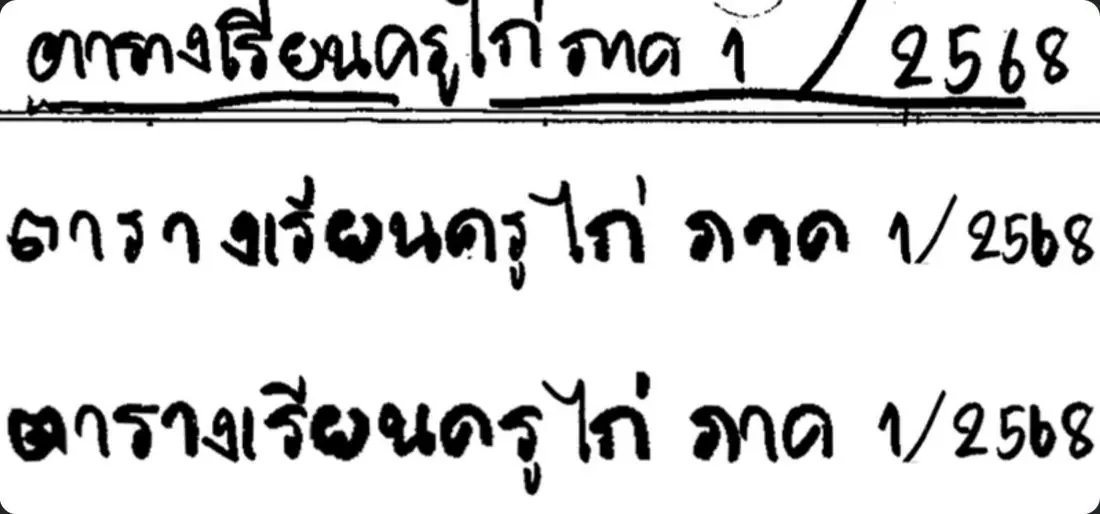
ตัวที่ตัดแยกมีตอและหางยาวกว่าตอนอยู่ในคำ การเกยตามความกว้างจึงทำให้ตัวทับกันจนอ่านไม่ออก โปรแกรมจึงไล่ขอบหมึกทีละแถว แล้วเลื่อนให้แค่แตะกัน (เกยไม่เกิน 0.04 เท่าของความสูงตัว) และในลายมือชุดนี้ สระบน สระล่าง และวรรณยุกต์ต่อท้ายจากหางของพยัญชนะ โปรแกรมจึงเลื่อนเครื่องหมายไปทางท้ายตัวแทนการวางกลางตัว
Set 2 is written in ballpoint, and here the mother usually wrote without lifting the pen, so its spacing differs from the marker set. A gap narrower than 0.45 of the letter height is a space between letters; 0.45 to 0.9 is a space between words. Transcribing 21 lines of names showed that 57 of 106 adjacent pairs are joined (54%), so the program joins neighbouring letters with exactly that probability.
Cut-out letters carry longer stubs and tails than they have inside a word, so overlapping them by width made them collide into illegibility. The program instead traces the ink edge row by row and slides each letter until it just touches the next (overlapping by no more than 0.04 of the letter height). In this hand, upper and lower vowels and tone marks hang from the end of the consonant's tail, so the program moves them towards the end of the letter rather than its centre.
ตัวสีแดง: ประกอบจากเส้นของแม่ ไม่วาดใหม่Red letters: assembled from her strokes, never redrawn
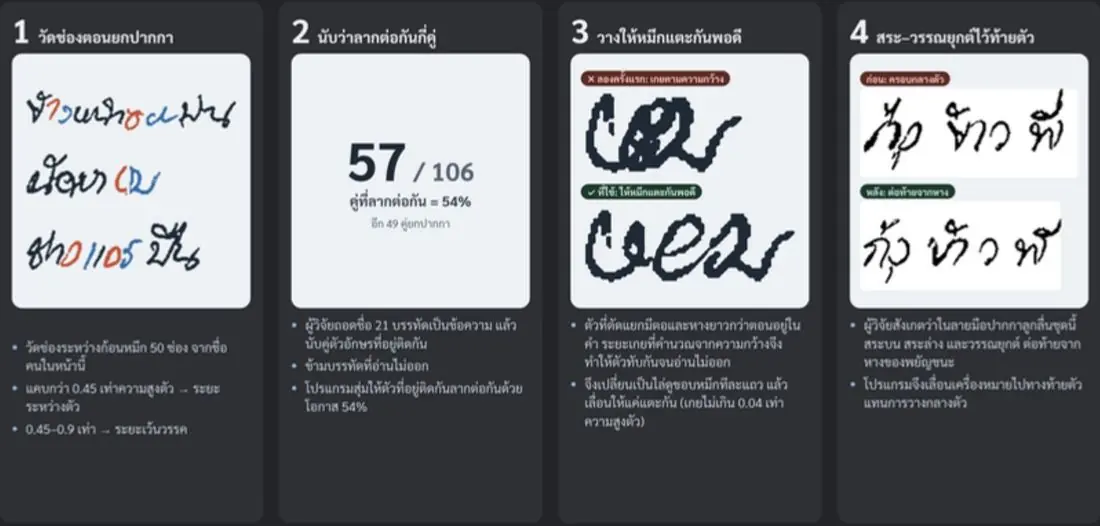
ตัวอักษรที่แม่ไม่เคยเขียนในเอกสารฉบับนั้นจะปรากฏเป็นสีแดง ในชุดที่ 1 มีตัวจริง 52 ตัวจาก 116 ไฟล์ และตัวแดงที่ประกอบขึ้น 31 ตัว จากเอกสารต้นทางฉบับเดียว ตัวแดงไม่ได้วาดใหม่ แต่ตัดต่อจากเส้นของแม่ในเอกสารฉบับเดียวกันเท่านั้น ไม่ข้ามเอกสาร
วิธีหลักมีสี่แบบ: ต่อเส้นของแม่ให้ยาวขึ้น (บ → ป, ฝ · ภ → ฦ) บิดภาพเฉพาะจุด (พ → ผ · ค → ฅ · ต → ด) ยืมชิ้นส่วนจากตัวอื่น (ย + เชิงสระอู → ญ · ร + เชิงสระอู → ฐ) และเติมเส้นสั้น ๆ เท่าที่จำเป็น โดยหนาเท่าปากกาของแม่ราว 50 พิกเซล (ข ช ซ ฮ) ทุกตัวมีบันทึกว่าใช้ชิ้นส่วนไหน และเส้นไหนเติมเข้าไป
เคยทดลองวาดจำลองใหม่ทั้งตัว อ่านง่ายกว่า แต่ดูประดิษฐ์เกินไป เส้นนั้นไม่ใช่ของแม่ จึงเลือกแบบตัดต่อ แม้บางตัวจะอ่านยากกว่า ป้ายที่มาบนจอบอกจำนวนตัวแดงในทุกประโยค ผู้ชมจึงรู้เสมอว่าตัวไหนไม่เคยถูกเขียนจริง
Letters the mother never wrote in a given document appear in red. Set 1 holds 52 real characters from 116 files and 31 assembled red letters, all from a single source document. Red letters are never redrawn; they are cut and joined only from her strokes in that same document, never across documents.
There are four main methods: extending her line (บ → ป, ฝ · ภ → ฦ); warping a single point (พ → ผ · ค → ฅ · ต → ด); borrowing parts of other letters (ย + the foot of the vowel ู → ญ · ร + the same foot → ฐ); and adding short strokes only where needed, at the width of her pen, about 50 pixels (ข ช ซ ฮ). Each letter records which pieces it uses and which line was added.
Fully redrawn versions were tried: easier to read, but too artificial, because the line was no longer hers. Assembly was chosen instead, even where it makes some letters harder to read. The source label on screen counts the red letters in every sentence, so the viewer always knows which ones were never actually written.
ท่าธุลี: ทุกคำไหลลงมาทับถม ไม่ถูกลบThe dust bank: every word settles, none is erased
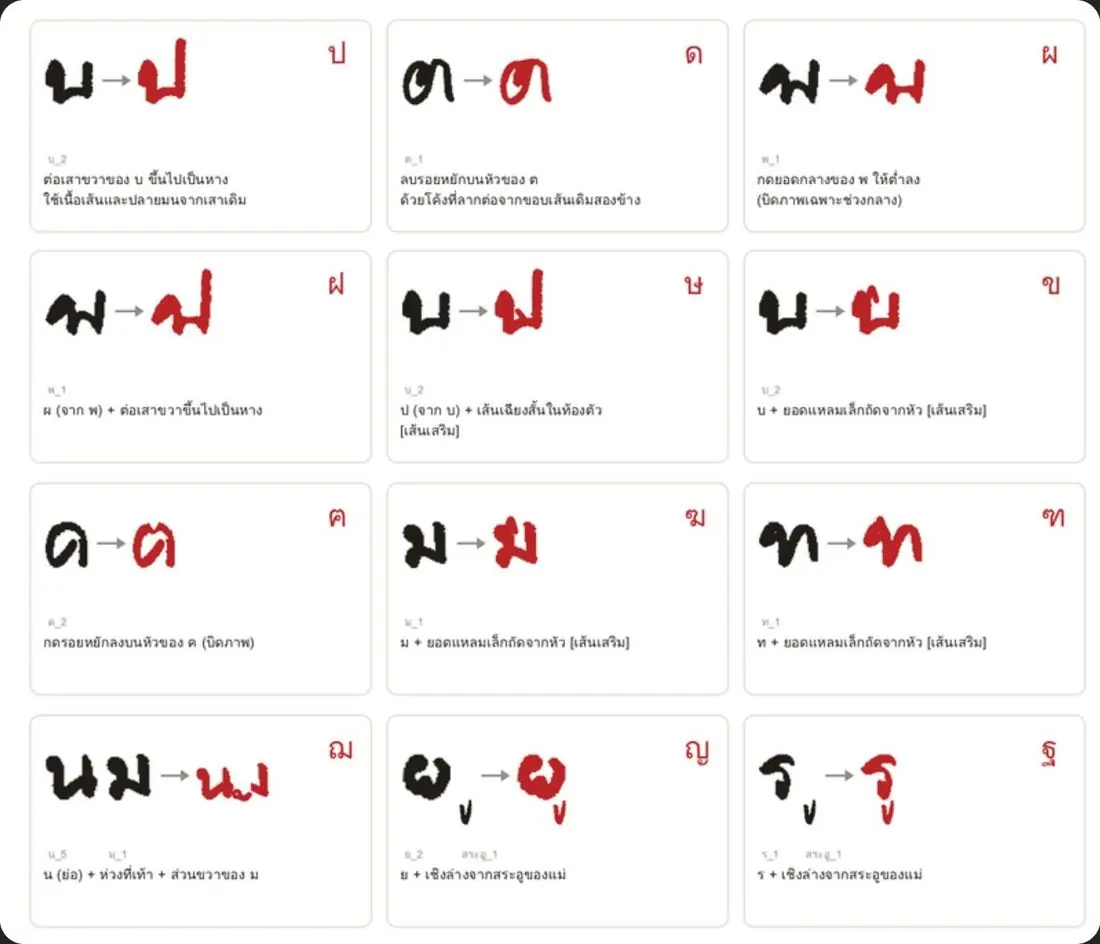
ถ้อยคำที่ผู้ชมพิมพ์ไม่ถูกลบทิ้ง แต่ละคำถูกแบ่งเป็นแถบแนวตั้ง แต่ละแถบไหลลงเร็วช้าไม่เท่ากัน ยิ่งล่างยิ่งยืดเหมือนหมึกเยิ้ม หมึกที่ถึงพื้นไหลไปหาจุดต่ำในระยะสั้น ๆ กองจึงเป็นลอน ไม่แบนเป็นแผ่น กองธุลีสะสมได้สูงครึ่งจอ เกินแล้วอัดแน่นลง ไม่มีหยดไหนถูกตัดทิ้ง และจำกองไว้แม้ปิดเครื่อง
สเตชันออกแบบให้ทนตลอดนิทรรศการ: ลอยพร้อมกันได้ 10 ข้อความ ที่เหลือเข้าคิว คำใหม่เกิดเหนือกองเสมอ การล้างกระดานต้องกดค้าง 2 วินาทีเพื่อกันกดพลาด และบันทึกกองหมึกทุก 20 วินาที
Nothing a visitor types is erased. Each word is divided into vertical strips that flow down at different speeds, stretching more towards the bottom like running ink. Ink that reaches the floor travels only a short way towards the lowest point, so the bank forms ridges rather than a flat sheet. It can rise to half the height of the screen; beyond that it is compressed, never trimmed, and it is remembered even when the machine is switched off.
The station is built to last the whole exhibition: ten messages can float at once and the rest wait in a queue; new words always appear above the bank; clearing the board needs a two-second hold to prevent accidents; and the bank is saved every twenty seconds.
ซอฟต์แวร์และโหมดเขียนเองThe software and its self-writing mode
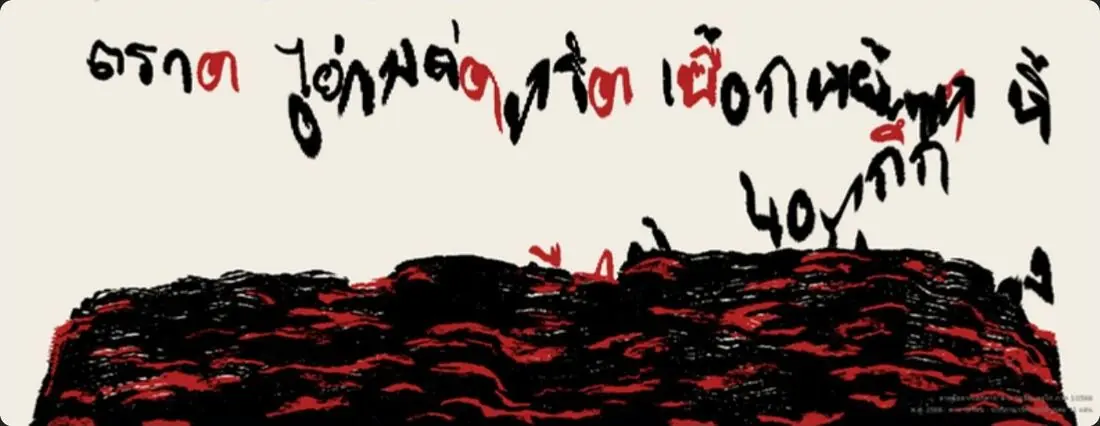
ผู้ชมพิมพ์ข้อความ โปรแกรมเลือกเอกสารที่ใช้ลายมือจริงได้มากที่สุด หยิบลายมือทีละตัว สุ่มแบบ วางตามระยะของมือจริง ตัวที่ไม่มีในเอกสารแสดงเป็นสีแดง เฟดขึ้นทีละตัว แล้วละลายลงเป็นท่าธุลี หลักที่ยึดไว้ตลอดทุกรุ่นมีสองข้อ: ไม่มีตัวอักษรใดมาจากฟอนต์ และไม่มีคำไหนถูกลบทิ้ง ทั้งหมดเป็นไฟล์เว็บไฟล์เดียว ทำงานแบบออฟไลน์ใน Chrome
ในโหมดเขียนเอง ไม่ต้องมีใครพิมพ์ โปรแกรมประกอบพยางค์ตามหลักภาษาไทย (พยัญชนะต้น + สระ + ตัวสะกด + วรรณยุกต์ รวมกฎไตรยางศ์) โดยไม่ใช้พจนานุกรม คำที่ได้จึงอ่านออกเสียงได้ แต่แทบไม่มีความหมาย ตัวที่มีลายมือจริงได้โอกาสออกมากกว่าตัวแดง 3 เท่า เพื่อให้เห็นมือแม่มากที่สุด และมีตัวกรองคำหยาบ ตัวอย่างที่โปรแกรมสร้างจริง: เซิ้ด ฟุ้ล · รัวตังแจ๊ส · อำมัสสาง · วากนาง กลาดขวี่ · ไข อู · เพียก
A visitor types; the program chooses the document that can supply the most real handwriting, picks each letter, draws one of its variants, places it by the spacing of the real hand, shows in red anything the document lacks, fades the letters in one by one, then melts them into the dust bank. Two rules have held through every version: no letter comes from a font, and no word is ever deleted. The whole program is a single web file that runs offline in Chrome.
In self-writing mode no one needs to type. The program builds syllables by the rules of Thai (initial consonant + vowel + final + tone mark, including the three consonant classes) without a dictionary, so its words can be pronounced but mostly mean nothing. Letters that exist in her real hand are three times more likely to appear than red ones, so that her hand is seen as much as possible, and a filter blocks profanity. Words the program actually produced include: เซิ้ด ฟุ้ล · รัวตังแจ๊ส · อำมัสสาง · วากนาง กลาดขวี่ · ไข อู · เพียก.

29 รุ่น: สิ่งที่พัง และสิ่งที่แก้Twenty-nine versions: what broke and what was fixed
- ตอนสลาย ตัวอักษรแตกเป็นเส้น ๆ ดูเหมือนภาพเสียหลอมไหลเป็นแถบ ค่อย ๆ เยิ้มลง
- ตัวอักษรโผล่ขึ้นแบบปาดจากซ้ายไปขวา ดูแข็งเฟดขึ้นทีละตัว
- พิมพ์รัว ๆ แล้วกองหมึกหาย และปุ่ม Esc ล้างกระดานโดยไม่ตั้งใจมีคิว อัดกองแทนการตัด จำกองไว้ และกดค้างเพื่อล้าง
- พิมพ์ "รรรรรร" แล้วเห็นลายซ้ำตอนละลายสุ่มแบบไม่วนซ้ำทุกแถบ
- วรรณยุกต์ลอยกลางตัว (กี่)วางบนหางสระ ชิดเสาขวา
- ตัวห่างกว่ามือจริงเกือบ 2 เท่าวัดระยะจริงจากสแกน 223 คู่
ทุกการแก้มาจากการเปิดดูผลจริง และถูกบันทึกไว้ใน research log
- Letters shattered into lines as they dissolved, like a corrupted imageThey now melt into strips that slowly run down
- Letters appeared with a hard left-to-right wipeThey now fade in one at a time
- Fast typing made the ink bank vanish, and Esc wiped the board by accidentA queue, compression instead of trimming, a remembered bank, and a press-and-hold to clear
- Typing "รรรรรร" revealed a repeating pattern as it meltedNon-repeating randomness for every strip
- Tone marks floated over the middle of the letter (กี่)Set on the vowel's tail against the right stem
- Letters sat almost twice as far apart as in her handSpacing measured from 223 pairs in the scans
Every fix came from looking at the actual result, and each is recorded in the research log.
แนวคิดงานติดตั้ง: ลอยอังคารให้ลายมือของแม่Installation: a water burial for her handwriting
ลายมือคือหลักฐานว่าแม่เคยมีชีวิตอยู่ เหมือนเถ้ากระดูกที่เป็นหลักฐานสุดท้ายของชีวิตมนุษย์ ก่อนถูกลอยอังคาร งานติดตั้งจึงแบ่งเป็นสองส่วนตามพิธี: อัฐิ คือสิ่งที่เก็บไว้ ได้แก่ลายมือของแม่ที่คัดแยกและอนุรักษ์ไว้ในคลังรอยเขียน ส่วน อังคาร คือสิ่งที่ปล่อยไป ได้แก่ทุกถ้อยคำที่เกิดจากลายมือแม่ ซึ่งได้มีชีวิตสั้น ๆ แล้วถูกปล่อยลงน้ำ
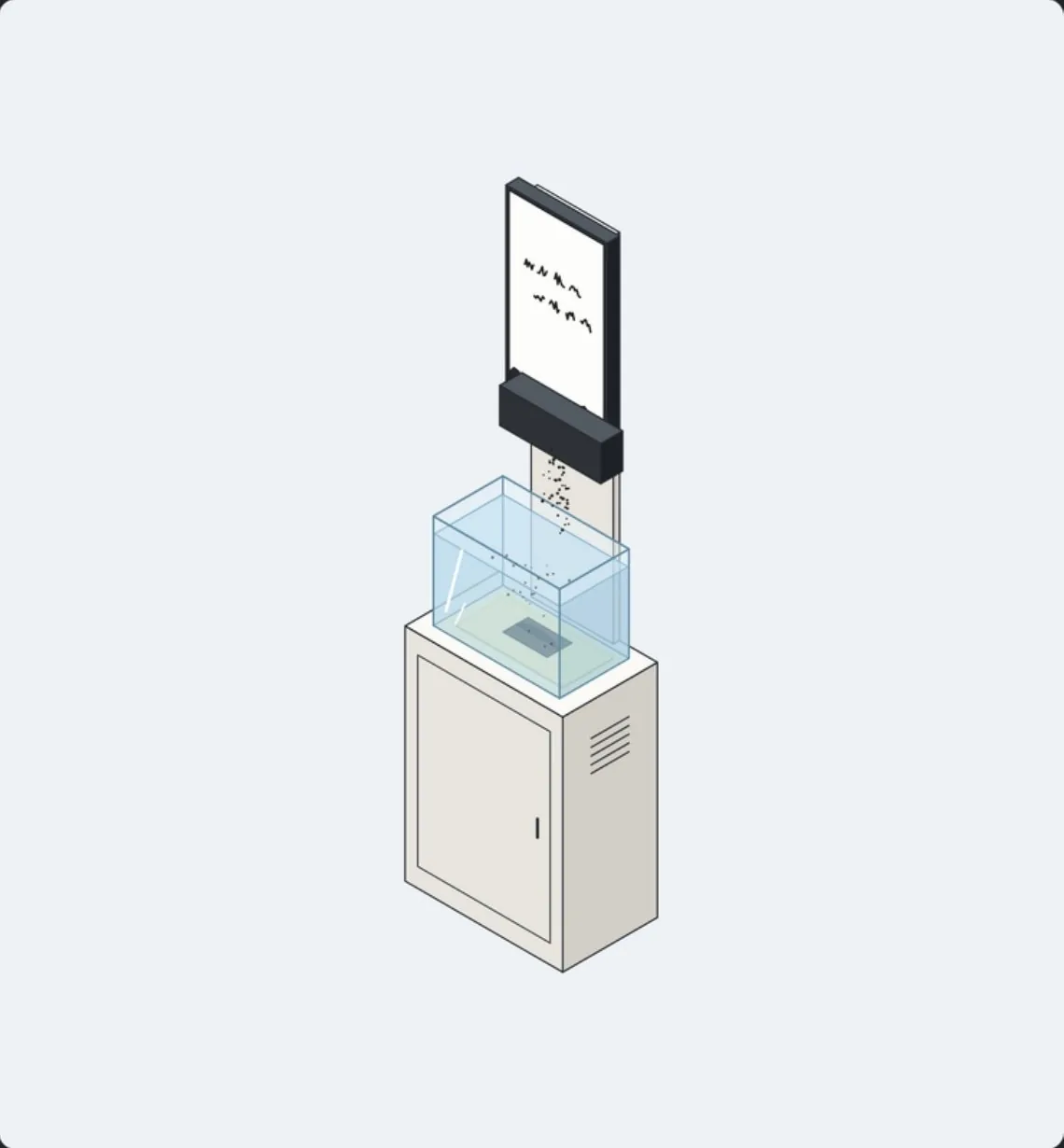
ชีวิตของถ้อยคำหนึ่งในงานมีสี่ขั้น: ผู้ชมพิมพ์ข้อความ ถ้อยคำปรากฏเป็นลายมือแม่ ถ้อยคำค่อย ๆ หลอมละลายกลายเป็นกองธุลี กองธุลีจมพ้นขอบล่างของจอ แล้วธุลีจริงร่วงลงตู้น้ำ ตกตะกอนสะสมตลอดนิทรรศการ ธุลีในงานคือทรายสีดำ ทำหน้าที่เป็นภาพแทนของอังคาร ไม่ใช่เถ้าจริง
เราประกอบพิธีศพให้คน ไม่ได้ทำให้สิ่งของ หากลายมือได้รับพิธีลอยอังคารแล้วดูสมควร ก็แปลว่าลายมือกำลังทำหน้าที่เป็นตัวแม่จริง ๆ "ผมลอยอังคารให้ลายมือของแม่ เพื่อยืนยันว่ามันคือหลักฐานการมีชีวิต และสะท้อนความไม่แน่นอน การเปลี่ยนแปลง และการจบลงของชีวิตมนุษย์"
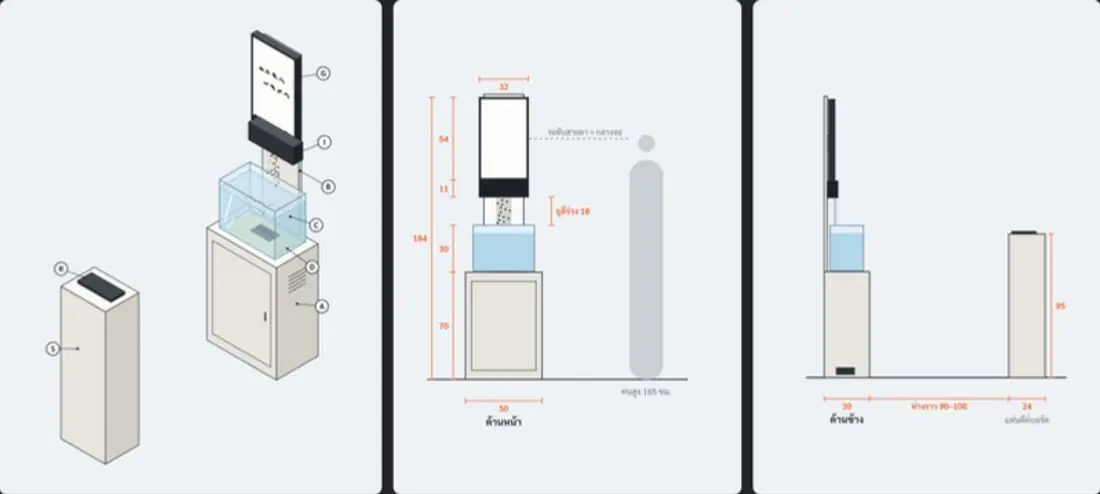
ชุดติดตั้งประกอบด้วยจอแนวตั้งขนาด 24 นิ้วที่ติดบนขาแขวนกับผนัง เหนือตู้กระจกบรรจุน้ำที่วางบนฐานตู้ ซึ่งซ่อนคอมพิวเตอร์ไว้ด้านใน แท่นคีย์บอร์ดไร้สายตั้งห่างออกมาราวหนึ่งเมตร ใต้จอมีกล่องปล่อยธุลีที่สั่งงานผ่าน Arduino และรีเลย์ เชื่อมกับโปรแกรมให้ธุลีจริงร่วงลงพร้อมกับที่กองหมึกบนจอจมหายไป
Handwriting is evidence that the mother lived, as the ashes of the body are the last evidence of a human life before they are scattered on water in the Thai rite of loi angkhan. The installation follows the two parts of that rite. Atthi, the bones kept in an urn, is what is kept: her handwriting, extracted and preserved in the archive of traces. Angkhan, the ashes released to the water, is what is let go: every phrase born of her handwriting, which lives briefly and is then released into water.
A phrase in the work lives in four stages. A visitor types and the words appear in her hand; they slowly melt into a bank of dust; the bank sinks below the bottom edge of the screen; and real dust falls into the water tank, settling and accumulating for the length of the exhibition. The dust is black sand, a stand-in for the ashes, not real ash.
Funeral rites are performed for people, not for things. If giving handwriting a water burial feels fitting, then the handwriting is truly standing in for the person. "I give my mother's handwriting its water burial, to affirm that it is evidence of a life, and to reflect the uncertainty, change and ending of a human life."
The installation comprises a vertical 24-inch screen on a wall mount, above a glass tank of water set on a cabinet base that hides the computer. A wireless keyboard stands on a plinth about a metre away. Beneath the screen, a dust box driven by an Arduino and a relay is linked to the program, so that real dust falls just as the ink bank on screen sinks from view.
จริยธรรมEthics
ในกรณีของมารดา ข้อมูลทั้งหมดมาจากเอกสารเท่านั้น แม่เสียชีวิตแล้ว และพฤหัสในฐานะบุตรเป็นผู้ครอบครองเอกสาร ไม่มีการเก็บข้อมูลจากบุคคลที่มีชีวิต กรณีศึกษาถัดไปที่เป็นผู้ที่ยังมีชีวิต หรือกรณีที่ต่างออกไป จะขอความยินยอมเป็นลายลักษณ์อักษรและผ่านการพิจารณาจริยธรรมของสถาบันก่อน สเตชันไม่เก็บข้อความที่ผู้ชมพิมพ์ เก็บเพียงกองหมึกที่อ่านไม่ออกแล้ว
สิ่งที่งานนี้ตั้งใจมอบให้มีสามอย่าง: ผลงานศิลปะเชิงแนวคิดและคลังรอยเขียนจากลายมือของกรณีศึกษา ข้อสังเกตจากการลงมือทำว่าร่องรอยใดของลายมือยังหลงเหลืออยู่หลังผ่านการแปลง และบันทึกกระบวนการเบื้องต้นที่ศิลปิน นักออกแบบ หรือใครก็ตามที่อยากเก็บลายมือของคนที่รัก นำไปทดลองต่อได้
In the mother's case, all data come from documents alone. She has died, and the artist, as her son, holds the documents; nothing is collected from living people. Later case studies involving living people, or other kinds of case, will require written consent and institutional ethics approval first. The station does not keep what visitors type; it keeps only the bank of ink, by then illegible.
The work aims to offer three things: a conceptual artwork with its archive of written traces; observations, drawn from making, on which traces of handwriting survive transformation; and a preliminary record of the process that artists, designers or anyone who wishes to keep the handwriting of someone they love can try for themselves.
ข้อมูลผลงานWork details
- ชื่อผลงานTitle
- จดหมายเหตุไร้สาระ (2026)Archive Without Substance (2026)
- วิทยานิพนธ์Thesis
- ศิลปะเชิงแนวคิดว่าด้วยตัวตนในรอยเขียน: การอนุรักษ์อัตลักษณ์ผ่านการดิจิไทซ์ลายมือConceptual Art of the Self in Written Trace: Preserving Identity through the Digitization of Handwriting
- หลักสูตรProgramme
- วิทยานิพนธ์วิจัยเชิงสร้างสรรค์ (practice-based research) ปริญญาโท สาขาทัศนศิลป์ คณะศิลปกรรมศาสตร์ จุฬาลงกรณ์มหาวิทยาลัยPractice-based research thesis, MFA in Visual Arts, Faculty of Fine and Applied Arts, Chulalongkorn University
- คลังรอยเขียนArchive
- ชุดที่ 1 ตารางเรียน (ปากกามาร์กเกอร์) 116 ชิ้น 52 ตัวอักษร · ชุดที่ 2 หน้าจดเบอร์โทรศัพท์ (ปากกาลูกลื่น) 118 ชิ้น 43 ตัวอักษรSet 1, class timetable (marker): 116 traces, 52 characters · Set 2, phone-number list (ballpoint): 118 traces, 43 characters
- ชุดติดตั้งInstallation
- จอแนวตั้ง 24 นิ้ว, คีย์บอร์ดไร้สาย, ตู้กระจกบรรจุน้ำ, กล่องปล่อยธุลี (ทรายดำ) สั่งงานด้วย Arduino, ซอฟต์แวร์ออฟไลน์Vertical 24-inch screen, wireless keyboard, glass water tank, dust box (black sand) driven by Arduino, offline software
- สถานะStatus
- ซอฟต์แวร์ต้นแบบรุ่นที่ 29 · นิทรรศการราวธันวาคม 2026 (รายละเอียดการจัดแสดงจะเพิ่มหลังเปิดนิทรรศการ)Software prototype 29 · exhibition around December 2026 (exhibition details to follow)
ที่มาSource
- ข้อมูลและภาพจากสไลด์นำเสนอโครงร่างวิทยานิพนธ์ของศิลปินText and images from the artist's thesis proposal presentation