แนวคิดStatement
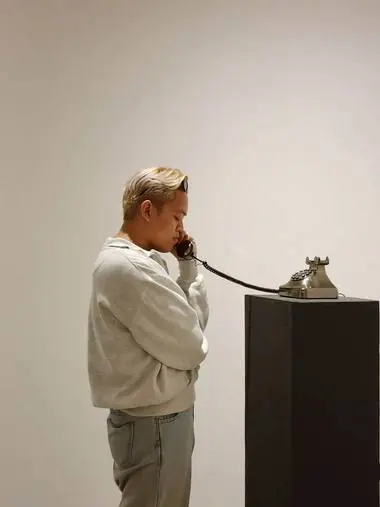
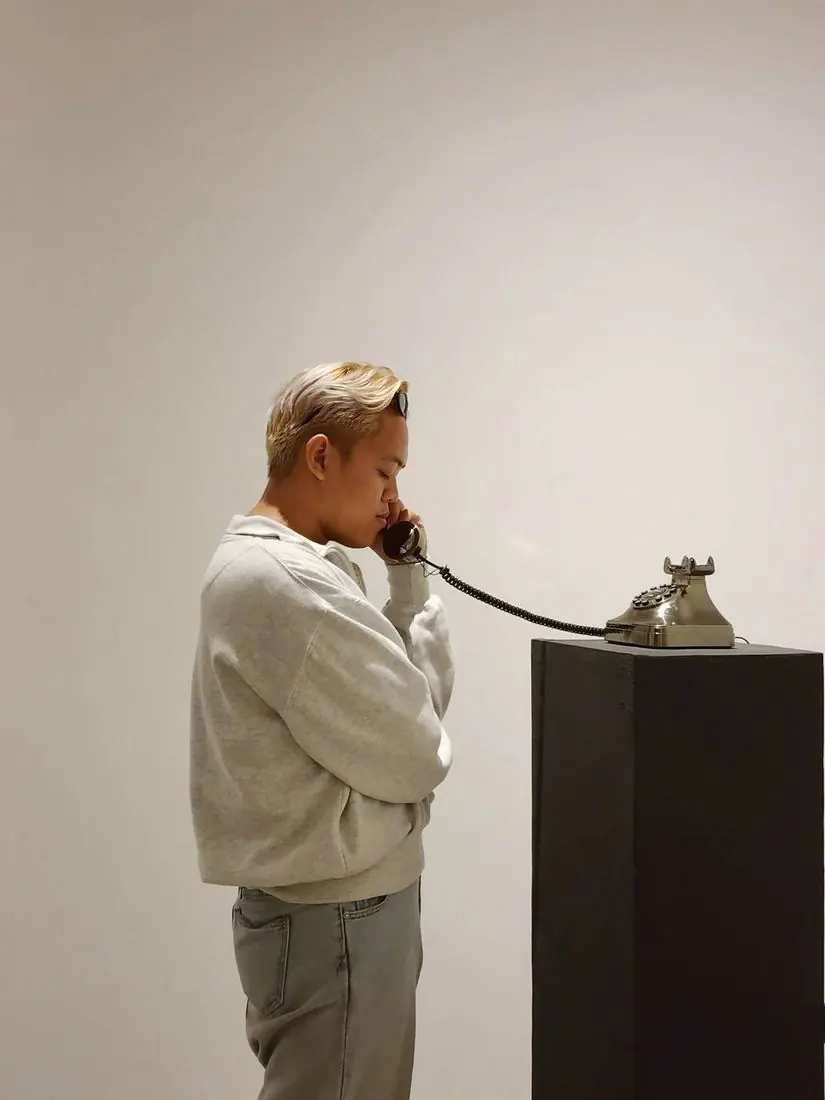
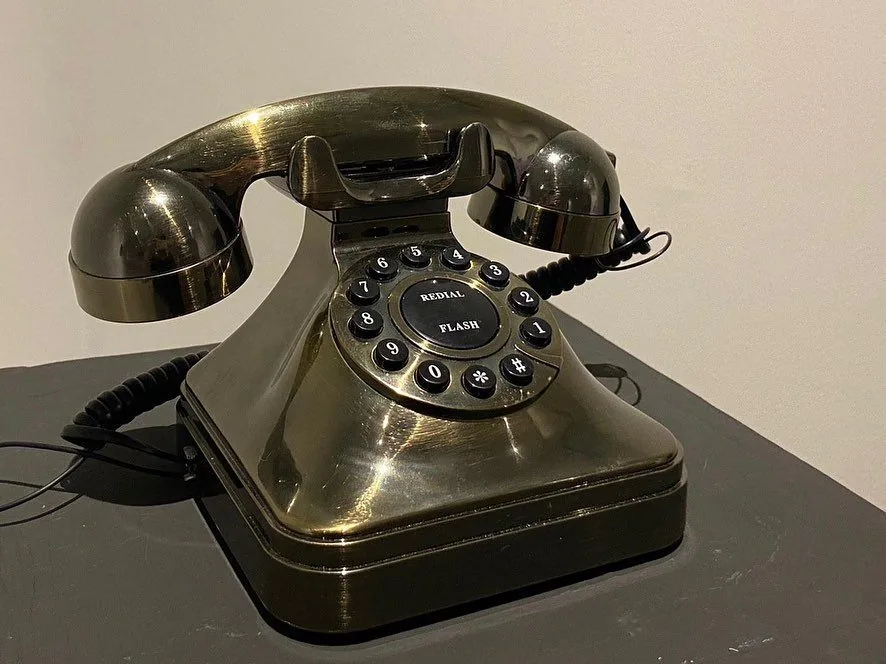
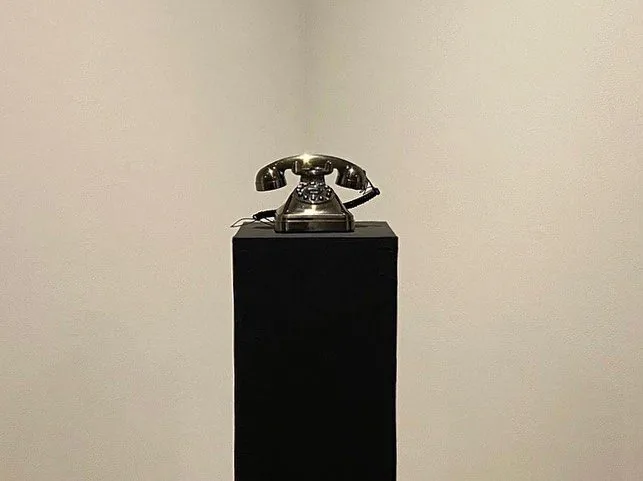
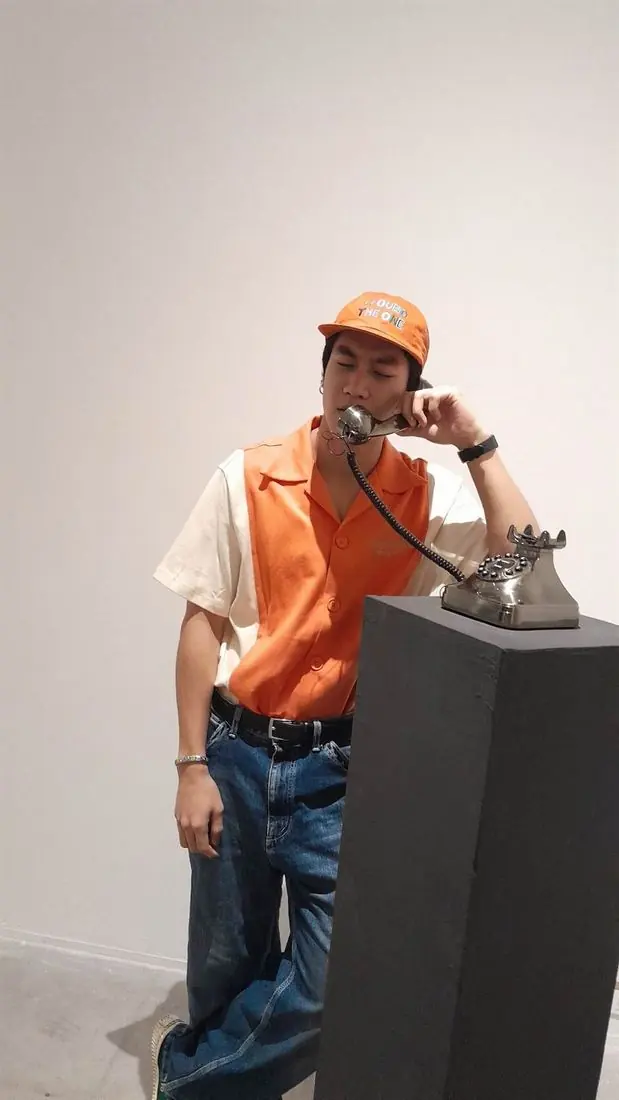
โทรศัพท์โบราณเครื่องหนึ่งตั้งอยู่บนแท่น ไม่มีป้ายบอกว่าต้องทำอะไร ผู้ชมที่ยกหูขึ้นจะได้ยินเสียงเพลงความยาว 3.51 นาที ซึ่งบันทึกไว้สำหรับงานชิ้นนี้โดยเฉพาะ
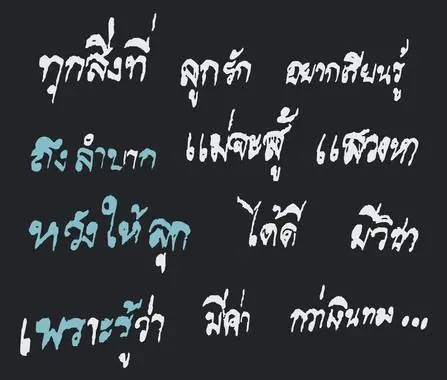
เพลงเหล่านั้นมาจาก a guide to jazzing ชุดเพลง jazz-rap ที่พฤหัสเขียนขึ้นในช่วงโรคระบาดครั้งใหญ่ ท่ามกลางภาวะจิตใจที่ไม่มั่นคง เพื่อบันทึกทัศนคติ หลักการ และมุมมองของตัวเองในวัย 20 ปี ที่มีต่อชีวิต ความสัมพันธ์ สังคม และการเมือง
การเลือกแจ๊สกับแร็ปไม่ใช่เรื่องรสนิยมเพียงอย่างเดียว ข้อความของนิทรรศการชี้ว่าแจ๊สกำเนิดจากดนตรีของคนผิวดำชนชั้นแรงงานและทาส ก่อนจะถูกยกสถานะเป็นดนตรีของชนชั้นสูงในปัจจุบัน ขณะที่แร็ปยังคงเป็นเสียงเรียกร้องและการขบถต่อสังคมของคนหนุ่มสาวผิวดำ พฤหัสนำสองขั้วนี้มาไว้ด้วยกัน ทำนองที่ถูกยกระดับวางคู่กับบทสนทนาที่หยาบกร้าน เพื่อบันทึกช่วงเวลาที่สับสนและเจ็บปวดของตัวเอง
การเลือกโทรศัพท์เป็นสื่อทำให้การฟังกลายเป็นการกระทำส่วนตัวและตั้งใจ ผู้ชมต้องหยิบ ต้องแนบหู และต้องยืนอยู่กับที่ ราวกับกำลังรับสายจากใครบางคนในอดีต งานจึงทำหน้าที่เป็นแคปซูลเวลาที่เปิดให้ย้อนฟังความคิดของศิลปินในวัยหนึ่ง และในขณะเดียวกันก็ถามว่าทัศนคติเหล่านั้นยังคงเป็นของเขาอยู่หรือไม่
ในปี 2026 เพลงนี้กลับมาอีกครั้งในชื่อภาษาไทย คู่มือชีวิตฉบับพฤหัส20ปี เป็นเพลงปิดอัลบั้ม Political for Everyone ของ P'hudkaPao
An antique telephone stands on a plinth with no instruction. A visitor who lifts the receiver hears 3 minutes 51 seconds of music recorded for the work.
The songs come from a guide to jazzing, a jazz-rap set Maneekarn wrote during the pandemic, in a period of mental instability, to record his attitudes, principles and views at the age of twenty on life, relationships, society and politics.
The pairing of jazz and rap is more than a matter of taste. As the exhibition text notes, jazz grew out of the music of Black working-class and enslaved communities before being elevated into a music of the elite, while rap remains a voice of protest and defiance for young Black speakers. Maneekarn sets the two against each other, a refined melody beneath rough-edged speech, to document a confused and painful stretch of his own life.
The telephone makes listening a private and deliberate act. One has to pick it up, hold it to the ear and stand still, as though taking a call from someone in the past. The work functions as a time capsule of the artist's mind at a given age, and asks at the same time whether those views are still his.
In 2026 the song returned under a Thai title, คู่มือชีวิตฉบับพฤหัส20ปี ("A Life Guide, Pahus Edition, Age 20"), as the closing track of P'hudkaPao's album Political for Everyone.
ข้อมูลการจัดแสดงExhibition details
- สถานะStatus
- ผลงานสร้างใหม่สำหรับนิทรรศการ (new commission)New commission
- นิทรรศการExhibition
- "Memo-Senses" Visual Art Showcase 2023 นิทรรศการกลุ่มของนักศึกษาภาควิชาทัศนศิลป์ มหาวิทยาลัยกรุงเทพ 10 คน ชวนผู้ชมย้อนกลับไปหาช่วงเปลี่ยนผ่านของชีวิตผ่านผัสสะทั้งห้า: รูป รส กลิ่น เสียง และสัมผัส"Memo-Senses", Visual Art Showcase 2023: ten students of the Department of Visual Arts, Bangkok University, on life's transitional periods recalled through the five senses: sight, taste, smell, hearing and touch
- ร่วมแสดงกับWith
- ทรงพล บุณยรัตพันธุ์, อภิรุจี โทราช, วิรุวัฒน์ วิรัตน์จินดา, ภรภัทร รัตนคำ, ทักษิณ ขอนทอง, ทะกุมิ โอยามะ, ภูฟ้า ฉันทรักษ์, ชญาณ์นินท์ พงษ์ธนานิกร, พงษ์นรินทร์ ศิริSongphol Boonyarattapun, Apirujee Torat, Wiruwat Wiratchinda, Phoraphat Rattanakam, Taksin Khontong, Takumi Oyama, Phufa Chantarak, Chayanin Pongtananikorn, Phongnarin Siri
- วันที่Dates
- 17–27 พฤษภาคม 202317–27 May 2023
- สถานที่Venue
- หอศิลปมหาวิทยาลัยกรุงเทพ (BUG) วิทยาเขตหลัก, Space 1Bangkok University Gallery (BUG), Main Campus, Space 1