แนวคิดStatement
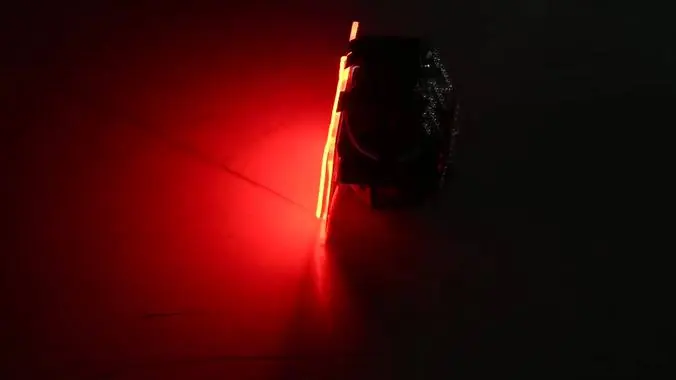
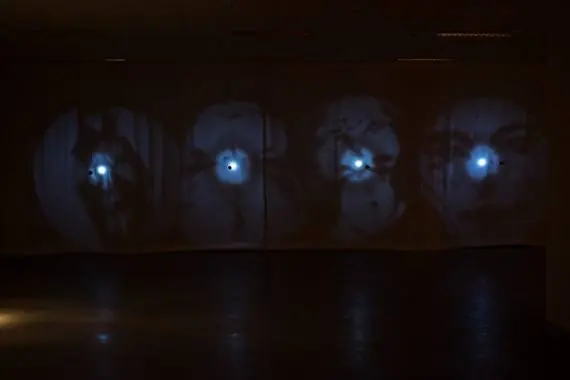
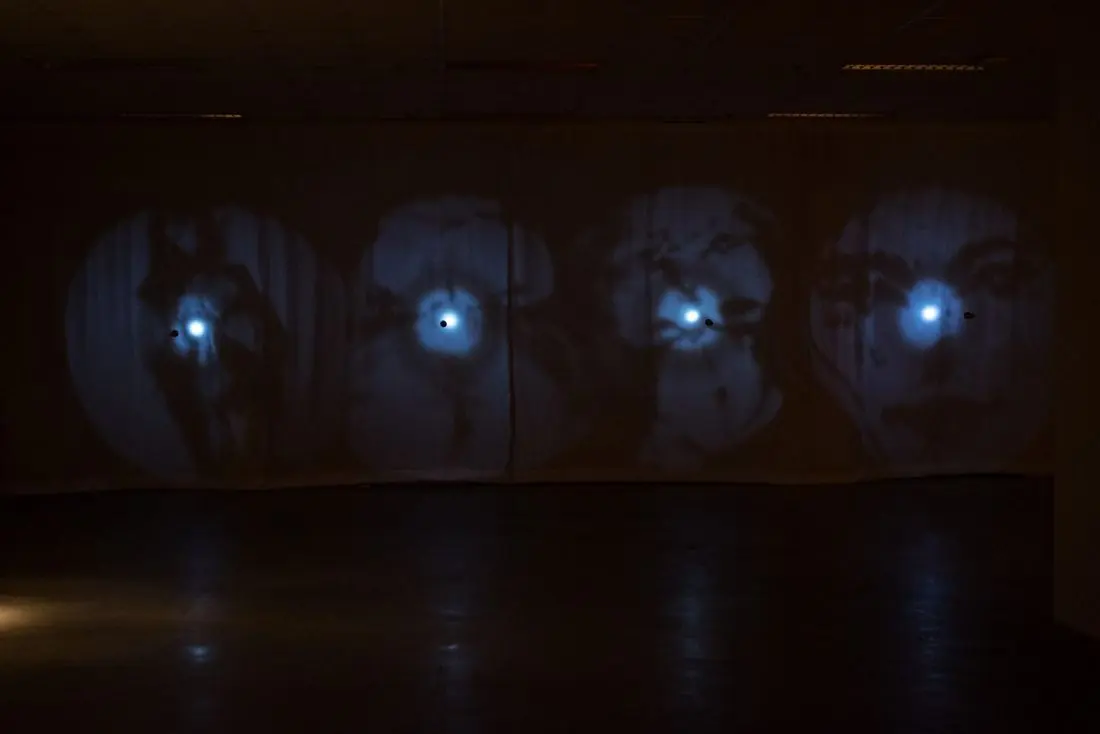
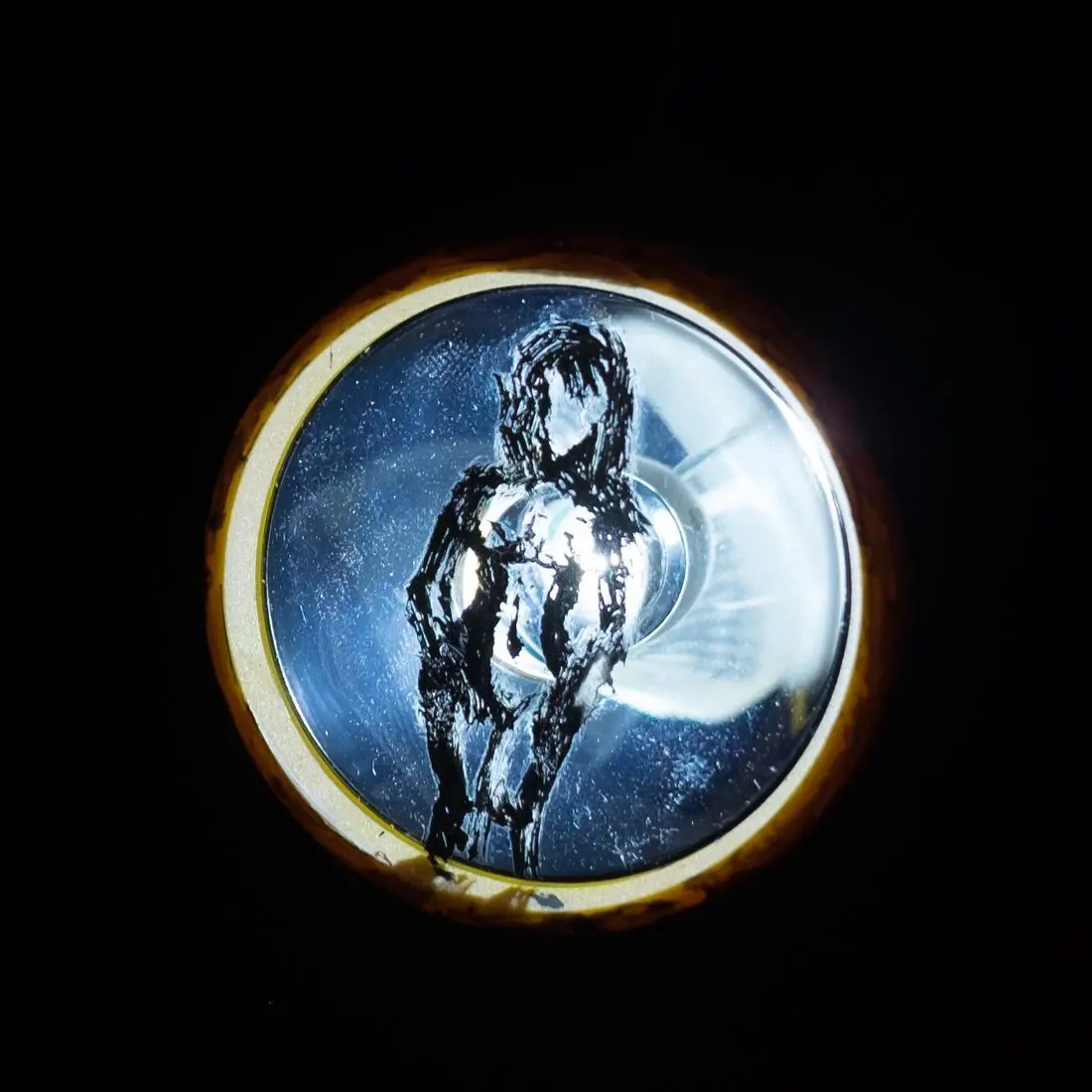
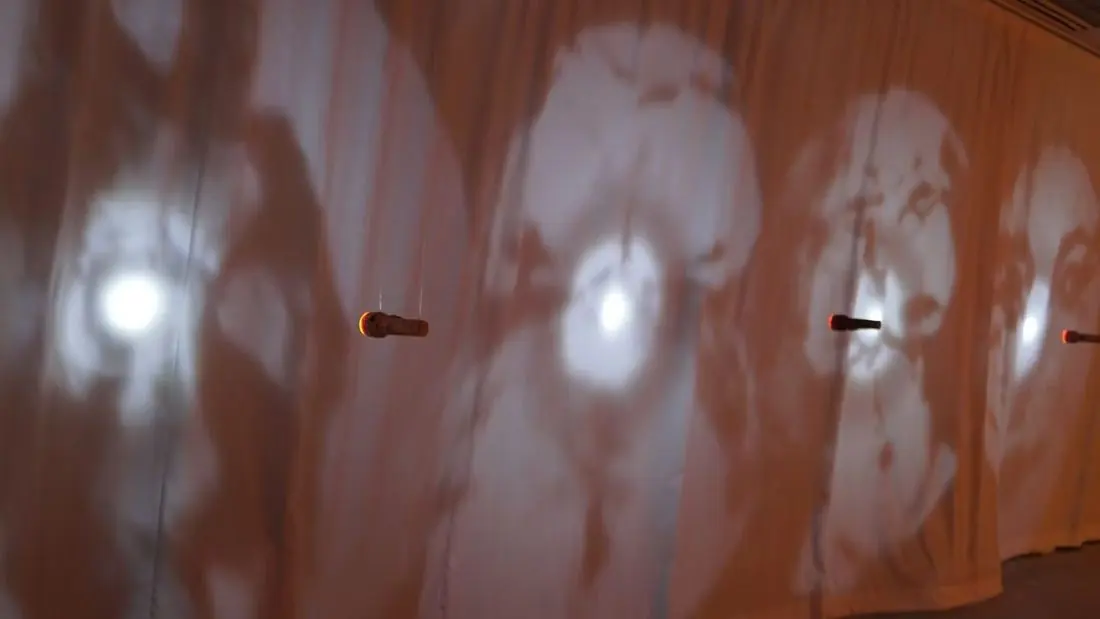
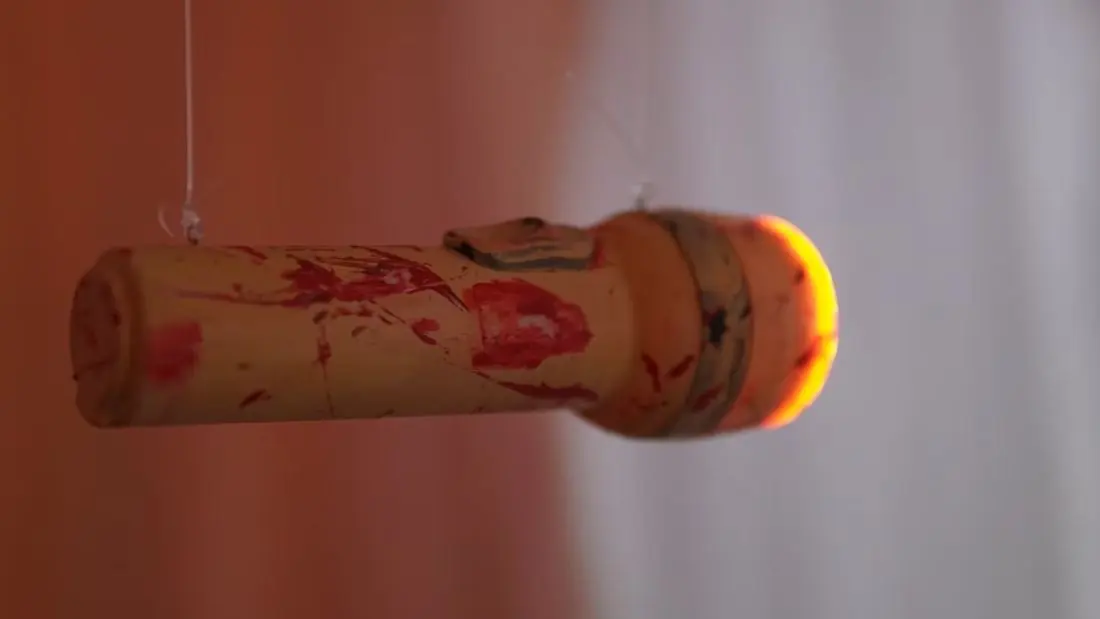
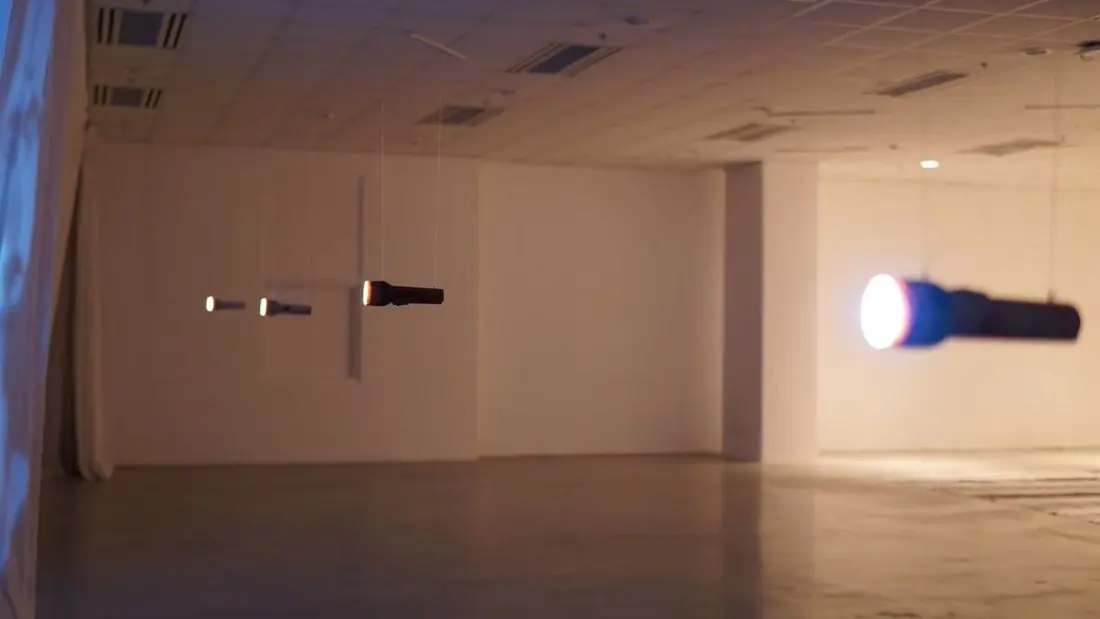
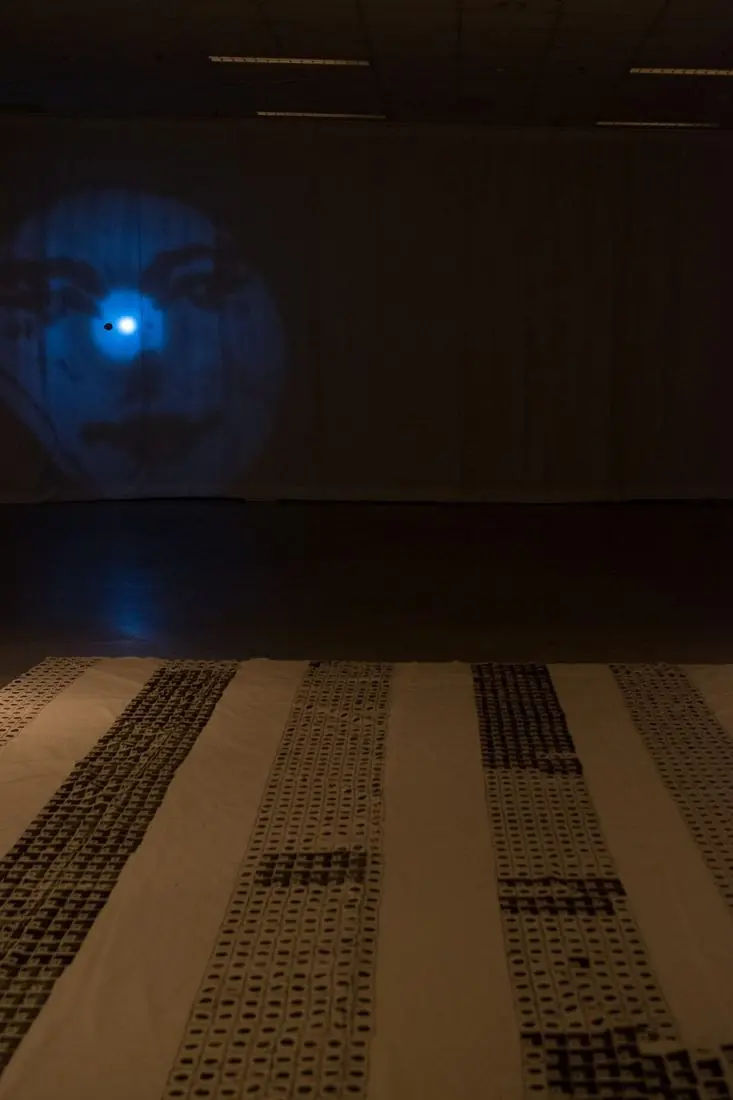
ไฟฉายหลายกระบอกห้อยลงมาจากเพดานในห้องมืด บนหน้ากระจกของแต่ละกระบอก พฤหัสวาดเงาเรือนร่างคนในท่าทางต่าง ๆ ด้วยสีโปสเตอร์ เมื่อเปิดไฟ เงาเหล่านั้นถูกฉายขยายลงบนผนังผ้าบาง และทุกครั้งที่ไฟฉายหรือผืนผ้าแกว่งไหว ไม่ว่าจากลมหรือจากผู้ชมที่เดินผ่าน รูปร่างบนผนังก็ยืด หด และบิดไปเป็นร่างใหม่
งานพูดถึงมาตรฐาน "ความสวย" และค่านิยมความงามจากสื่อ ที่กำหนดว่าเรือนร่างต้องผอมเพรียวและมีกล้ามเนื้อจึงจะนับว่างาม ค่านิยมที่จำกัดการตีความความงามของมนุษย์ และลดทอนความเป็นปัจเจกลงอย่างไม่รู้ตัว ด้วยอุปกรณ์ที่เรียบง่ายที่สุด ส่อง ทำให้เห็นว่ารูปร่างที่เรามองเห็นขึ้นอยู่กับระยะ มุม และแรงที่มากระทำ มากกว่าตัวร่างกายเอง ชื่องานเป็นได้ทั้ง "ส่องไฟ" และ "ส่องดู"
ส่อง จัดแสดงครั้งแรกในนิทรรศการ อาร์ต ตะ คัต ขณะพฤหัสเป็นนักศึกษาชั้นปีที่สอง ซึ่งในเวลานั้นระบุความสนใจของตัวเองไว้ว่าคือผู้คนในประเด็นความเท่าเทียม ค่านิยมทางสังคม การเคลื่อนไหวเรียกร้อง เพศ และระบอบชายเป็นใหญ่ ชื่อนิทรรศการผสมคำว่า "อาร์ต" กับ "อัตคัด" เพื่อพูดถึงภาวะขัดสนที่ทุกคนต้องเผชิญในปีนั้น ตั้งแต่โรคระบาด เศรษฐกิจ การศึกษา ค่านิยม ไปจนถึงการใช้อำนาจรัฐ ผลงานถูกติดตั้งจริงในห้องมืดของ BUG แต่ด้วยข้อจำกัดของโควิด-19 นิทรรศการเปิดให้ชมได้ทางออนไลน์เท่านั้น
Torches hang from the ceiling of a darkened room. On the lens of each, Maneekarn has painted the silhouette of a human body, each in a different pose, in poster colour. Switched on, the silhouettes are thrown, enlarged, onto a wall of sheer fabric, and every time a torch or the fabric sways, from a draught or a passing viewer, the figure on the wall stretches, shrinks and twists into another body.
The work addresses media-made standards of "beauty" that admit only the slim and the muscular, norms that narrow how human beauty can be read and quietly diminish the individual. With the simplest of means, Song shows that the shape we see depends on distance, angle and the force applied, far more than on the body itself. The Thai title means both "to shine a light" and "to look closely".
Song was first shown in Art-Ta-Cut, when Maneekarn was a second-year student who listed his interests as people and equality, social values, protest movements, gender and patriarchy. The exhibition's title fuses "art" with attakhat, "scarcity", to name the hardship everyone faced that year, from the pandemic and the economy to education, social norms and the use of state power. The works were installed in BUG's darkened rooms, but under Covid-19 restrictions the exhibition could only be seen online.
ข้อมูลการจัดแสดงExhibition details
- นิทรรศการExhibition
- "อาร์ต ตะ คัต" (Art-Ta-Cut) นิทรรศการศิลปะออนไลน์ในโครงการ Visual Art Showcase ความร่วมมือระหว่างภาควิชาทัศนศิลป์ คณะศิลปกรรมศาสตร์ มหาวิทยาลัยกรุงเทพ กับหอศิลปมหาวิทยาลัยกรุงเทพ (BUG) · 13 ผลงานจากศิลปิน 11 คน"Art-Ta-Cut", online exhibition in the Visual Art Showcase programme of the Department of Visual Arts, Bangkok University, and Bangkok University Gallery (BUG) · 13 works by 11 artists
- วันที่Dates
- 20 สิงหาคม – 20 ตุลาคม 202120 August – 20 October 2021
- สถานที่Venue
- ติดตั้งใน BUG Space 2 · เปิดให้ชมทางออนไลน์ในช่วงโควิด-19Installed in BUG Space 2 · viewable online only during the Covid-19 restrictions
- ภัณฑารักษ์Curators
- นักศึกษารายวิชา Curatorial Practice ชั้นปีที่ 2 ภาควิชาทัศนศิลป์ (ยุภาวดี ช่วยคิด, กริษฐา ฉ่ำชื่นวงศ์, อัครญา วงศ์วิชิต)Second-year students of the Curatorial Practice class, Department of Visual Arts (Yuphawadee Chuaikhit, Karista Chumcheunwong, อัครญา วงศ์วิชิต)
- กิจกรรมProgramme
- Online talk: Q & A: ART AND POLITICS โดย ธเนศ อ่าวสินธุ์ศิริ (27 สิงหาคม 2021)Online talk: Q & A: ART AND POLITICS with Thanet Awsinsiri (27 August 2021)
- ภาพถ่ายนิทรรศการExhibition photography
- เต็มภัทร์ เกตุสมบูรณ์ (BUG) และ MISSILE STUDIO (วรพงศ์ ดอนกัลยา, ศรินทร ทรัพย์อุดมมาก, กันตวิชญ์ มาคะสิระ)Tempat Katesomboon (BUG) and MISSILE STUDIO (วรพงศ์ ดอนกัลยา, ศรินทร ทรัพย์อุดมมาก, กันตวิชญ์ มาคะสิระ)
ที่มาและเครดิตSources & credits
- ภาพ: เต็มภัทร์ เกตุสมบูรณ์ / MISSILE STUDIO · นิทรรศการ อาร์ต ตะ คัตPhoto: Tempat Katesomboon / MISSILE STUDIO · courtesy Art-Ta-Cut and BUG ↗
- เว็บไซต์นิทรรศการ อาร์ต ตะ คัตArt-Ta-Cut exhibition website ↗
- โพสต์ของ นิพันธ์ โอฬารนิเวศน์ ถึงนิทรรศการ (24 ส.ค. 2021)Post on the exhibition by Nipan Oranniwesna (24 August 2021) ↗